It’s a ruling the club says leaves serious questions unanswered.
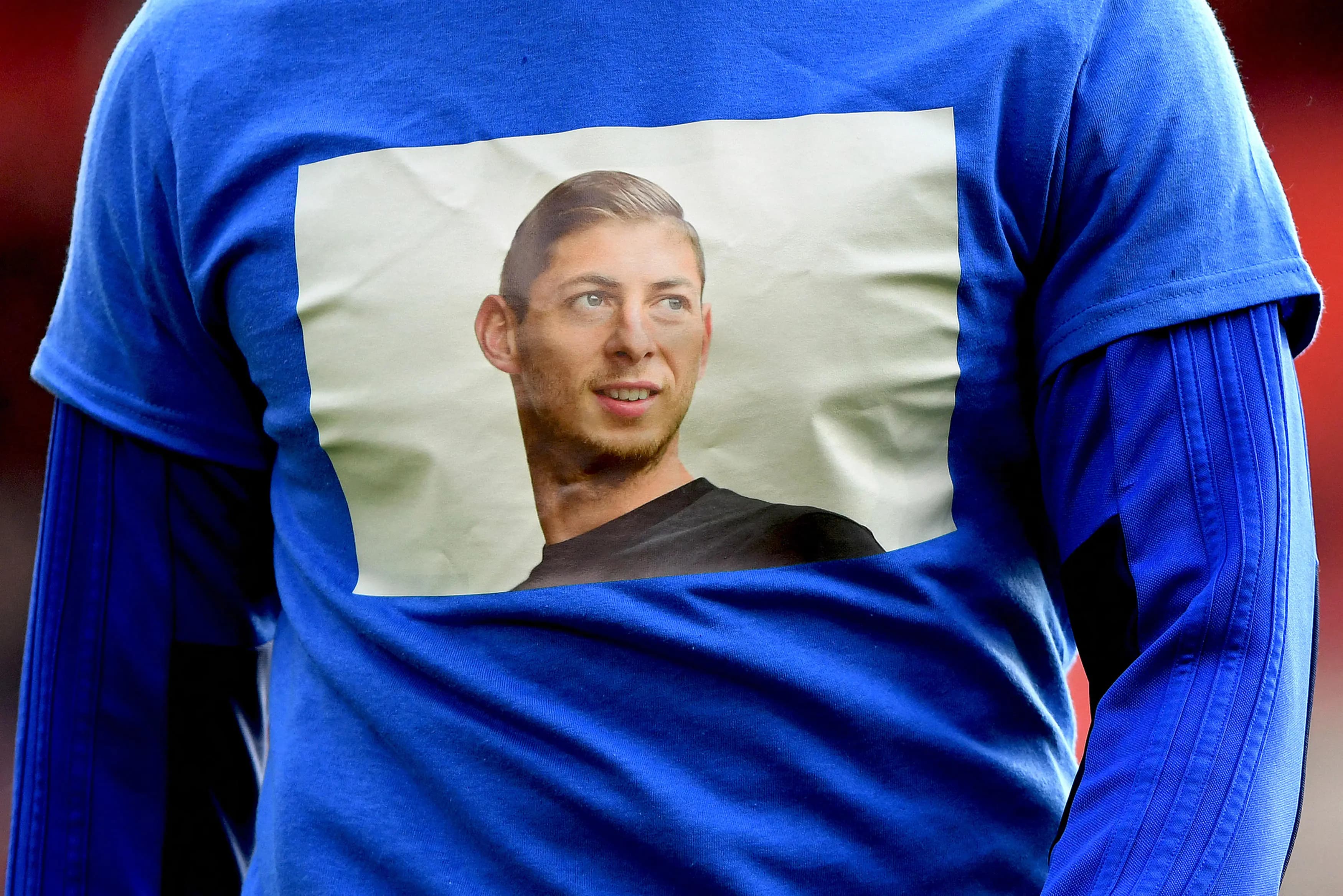
The judgment, handed down in Nantes, is the latest development in a complex and long-running legal dispute between Cardiff and FC Nantes stemming from the plane crash in January 2019 that claimed the lives of Sala, 28, and pilot David Ibbotson.
Cardiff had sought damages exceeding €120 million (around £104 million), arguing that the circumstances surrounding the striker’s transfer—and the flight that ended in disaster over the English Channel—made Nantes legally liable.
READ MORE: Cardiff City to Claim £100m from Nantes on Monday Over Emiliano Sala
However, the court rejected those arguments in full and ordered Cardiff to pay approximately £400,000 in legal costs and damages, a sum due immediately regardless of any appeal.
In a strongly worded response, Cardiff signalled both disappointment and a determination to consider their next steps carefully.
“We deeply regret that the court did not recognise FC Nantes’ liability in this tragedy,” they said in a statement.
“We initiated these proceedings so that the full truth of this case could come to light, in respect of Emiliano Sala’s memory.
“Today, we note with bitterness that the principles of transparency, integrity and safety in professional football have not prevailed in this decision.”

The club confirmed it will now seek further legal advice in France before deciding whether to challenge the ruling.
They have one month to lodge an appeal, which would be heard by the Court of Appeal in Rennes and could take up to two years to conclude—potentially extending a saga that has already spanned more than seven years.
Cardiff’s claim was built around the argument that Willie McKay—an unlicensed intermediary at the time—had effectively been acting on behalf of Nantes and was instrumental in arranging the private flight that carried Sala from France to the UK.
The aircraft, a Piper Malibu, crashed on the night of 21 January 2019, just days after Sala had completed his transfer to Cardiff for a fee of £15 million.
The club argued that had Sala joined the squad as planned, his presence could have helped them avoid relegation from the Premier League that season.
Their claim included projected sporting and commercial losses, reputational damage and long-term financial impact.
However, Nantes consistently disputed those assertions. The Ligue 1 club maintained that they had formally mandated Willie McKay’s son, Mark, rather than McKay himself, and rejected any suggestion they bore responsibility for the flight arrangements.
They also challenged the scale of Cardiff’s financial projections, arguing there was no guarantee Sala’s arrival would have altered the club’s fate.
The French court ultimately sided with Nantes, dismissing Cardiff’s case and also awarding damages to the French club, which had counterclaimed for what it described as misuse of legal proceedings.
Cardiff’s statement in response went further, questioning the broader governance of football and the role of agents.
They added: “How is it possible that Willie McKay can still operate after such a tragedy?
“How is it possible that, in the end, FC Nantes — which never contributed to the support fund we launched in memory of Emiliano — paid more money to Willie McKay (€1.5 million) than to the Sala family?
“More than ever, there is an urgent need to strengthen safety and ethical standards in the management and protection of players, so that such a tragedy can never happen again.
“The world of football must take a hard look at itself.”
This latest ruling follows previous legal defeats for Cardiff, including a decision by the Court of Arbitration for Sport which upheld FIFA’s original judgment that the club must pay the full £15 million transfer fee to Nantes.
The case has also run parallel to criminal proceedings in the UK, where aviation operator David Henderson was convicted of arranging the flight without the proper permissions.
Investigations found that the aircraft was not licensed for commercial use and that pilot David Ibbotson did not hold the required qualifications. His body has never been recovered.
Despite the mounting legal setbacks, Cardiff have consistently argued that their actions have been motivated by a desire to uncover the full circumstances surrounding Sala’s death and to ensure accountability.
For now, the focus shifts to whether the club will pursue one final legal avenue.
An appeal in France would prolong a case that has already carried heavy emotional and financial costs—but Cardiff’s statement makes clear they believe fundamental issues remain unresolved.