

Wales Football Team
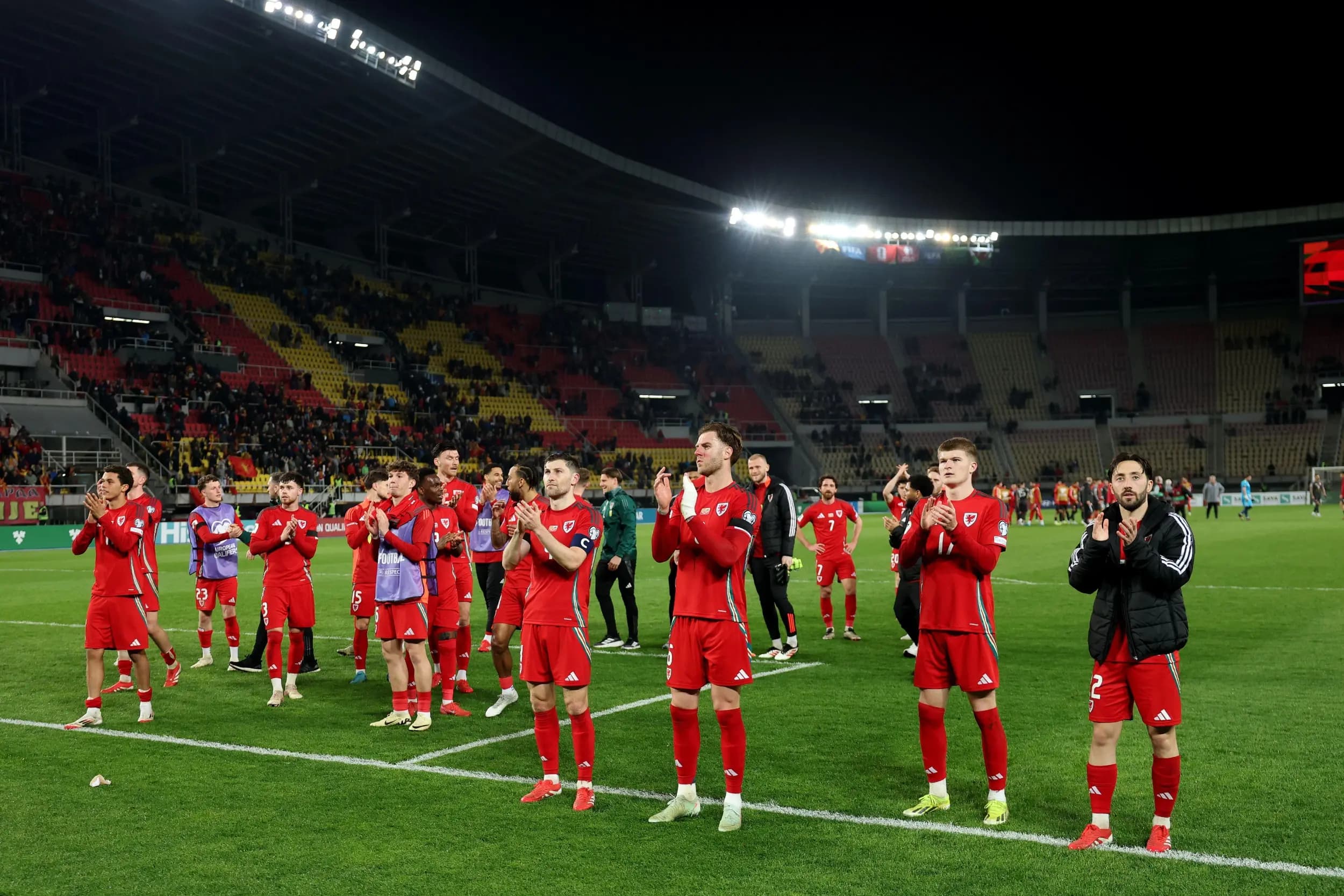
Wales men’s senior football team represent the country at the highest level of international competition.
Administered by the Football Association of Wales (FAW), they play in UEFA and FIFA competitions, including the World Cup, the European Championship and the UEFA Nations League, which replaced the previous international friendlies.
Wales have played competitive international matches since 1876 and teams have featured some of the world’s greatest players, such as Billy Meredith, John Charles, Ian Rush, Neville Southall, Ryan Giggs and Gareth Bale.
Historical highlights for Wales include reaching the quarter-finals of the 1958 World Cup and the semi-finals of Euro 2016.
On both occasions, they were knocked out by the eventual champions – Brazil in 1958 in Sweden and then Portugal in 2016 in France.
Throughout their decades of competition, Wales have drawn their players from a handful of Welsh clubs – Cardiff City, Swansea City and Wrexham – plus a majority playing outside of Wales in England, Scotland and across Europe.
Typically, successful Wales teams have played with passion and flair – successfully combining resourceful defensive players with skillful attacking ones, capable of scoring vital goals.
Although Wales had occasional one-off triumphs in the old British Home Championship – winning the tournament in 1907, 1920 and 1924 - the first sustained period of success came in the 1930s.
Wales won the competition in 1933, 1934 and 1937 – beating England twice and drawing the other game in those years. Bryn Jones and Jimmy Murphy, who went on to manage Manchester United in the aftermath of the Munish air disaster, were key players in that era.
But the first great Wales team – a golden generation – arrived in the mid-1950s, coached by Murphy.
This was the team with the legendary Charles as its focal point and included other true greats such as Ivor Allchurch, Cliff Jones, Jack Kelsey, Terry Medwin and Charles’ brother, John.
They qualified for the World Cup for the first time in 1958 and after drawing their first three matches, beat Hungary in a play-off to make it to the quarter-finals.
Up against eventual winners Brazil, Wales did themselves proud before losing 1-0 after a goal from the then 17-year-old Pele, who would go on to become arguably the greatest player in history.
The 1960s were less successful after the core of the team from 1958 retired, although there was a notable achievement in 1976.
READ MORE: Hayley Ladd Wins 100th Cap as Wales Fall to Narrow Defeat Against Italy
The team, under manager Mike Smith, reached the quarter-finals of the 1976 European Championship, before losing to Yugoslavia, although this was not considered part of the tournament finals which consisted of just four teams until 1980.
A year later, in 1977, Wales beat England on English soil for the first time since 1935, thanks to the only goal of the game scored by Leighton James.
There were agonising near misses for tournament qualification for the 1978 World Cup and again in 1982, the 1984 Euros and the 1986 World Cup.
The pattern of qualification heartbreak was continued in 1993 when needing to win their final match at home to Romania to qualify for the 1994 World Cup finals in the USA, Wales lost 2-1.
That meant a whole generation of great Welsh players throughout the 1980s and 1990s – the likes of Rush, Southall, Mark Hughes, Kevin Ratcliffe, Dean Saunders, Gary Speed and Craig Bellamy did not feature for Wales at the finals of a major tournament.
It took until the years from 2010 onwards – when Speed and then Chris Coleman became manager – for Wales to enjoy their next great tournament adventure.
Speed and then Coleman shaped a young team around the world class talent of Bale and an emerging Aaron Ramsey.
They finally clinched qualification for Euro 2016 after an impressive Bale-inspired campaign and took their place in France.
An opening 2-1 group victory over Slovakia in Bordeaux was followed by a 2-1 defeat to England and then a crushing 3-0 win over Russia.
With Bale at the peak of his powers, Wales beat Northern Ireland in the last 16, before stunning Belgium 3-1 in the quarter-finals.
A 2-0 defeat to Portugal ended the dream of reaching the final, but it was an historic high-water mark for Welsh football, with the likes of Joe Allen, Ashley Williams, Wayne Hennessey, Sam Vokes and Hal Robson-Kanu all playing vital roles.
Wales failed to qualify for the 2018 World Cup but made it to the finals of Euro 2020 under managers Ryan Giggs and Rob Page.
Wales made it through the group stage but lost in the first knockout round to Denmark.
But the wisdom gained from successful qualification campaigns had now been instilled and Wales made it to a third major tournament finals in four, when they qualified via the play-offs for the 2022 World Cup in Qatar – their first World Cup finals appearance since 1958.
Once again Bale was their talisman and most lethal weapon.
Under manager Page, however, Wales failed to win a game at the tournament – drawing one and losing two – before finishing bottom of their group.
Bale retired and after an unsuccessful attempt to make it to Euro 2024, Page was sacked and replaced by Bellamy in 2024.
Wales Football Team Articles
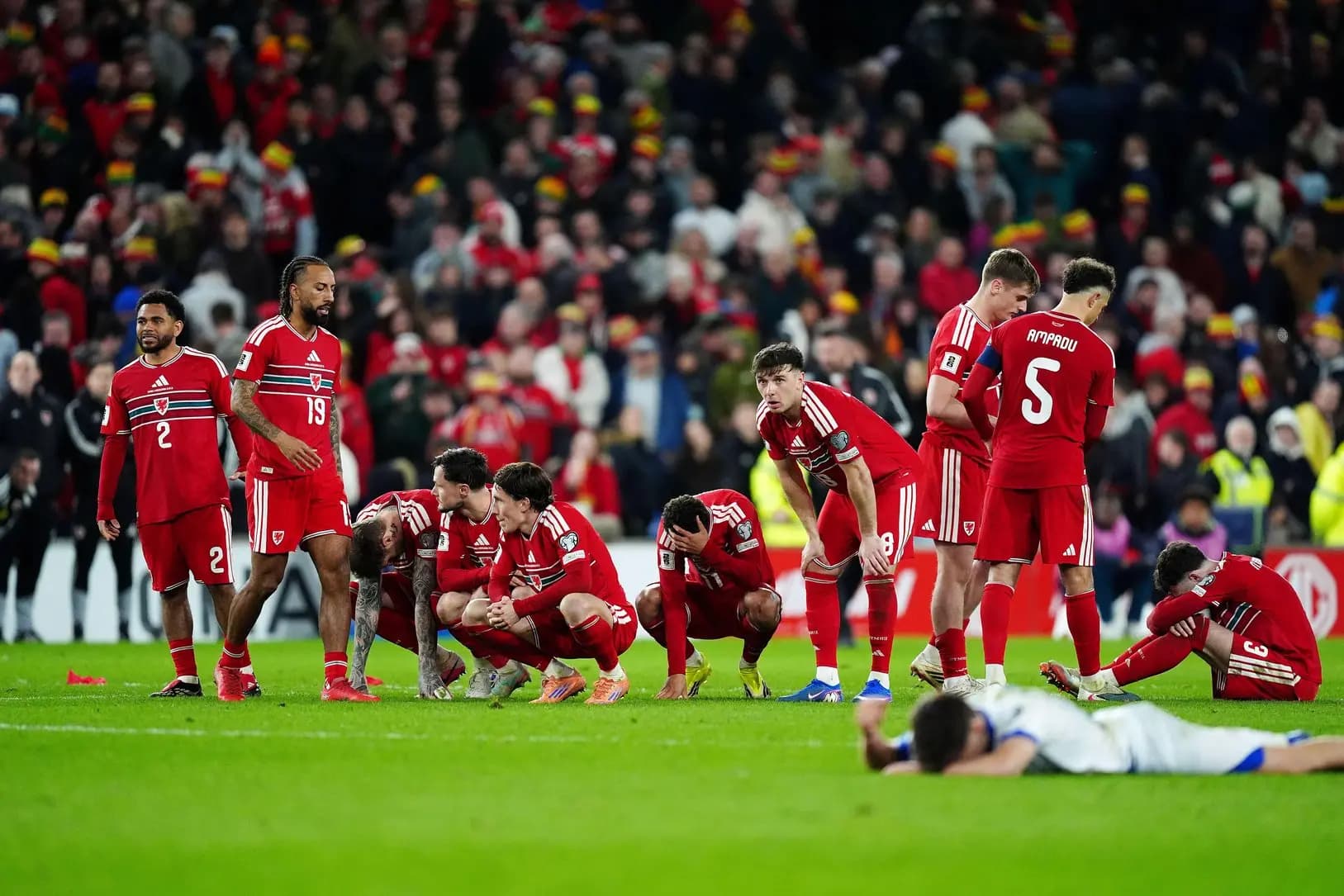
Wales to Meet Romania in Bucharest Friendly Following Ghana Game
Wales will return to action in June with a double-header of international fixtures, after the FAW confirmed Craig Bellamy’s side will meet Romania four days after playing Ghana.
Graham Thomas | Apr 14, 2026
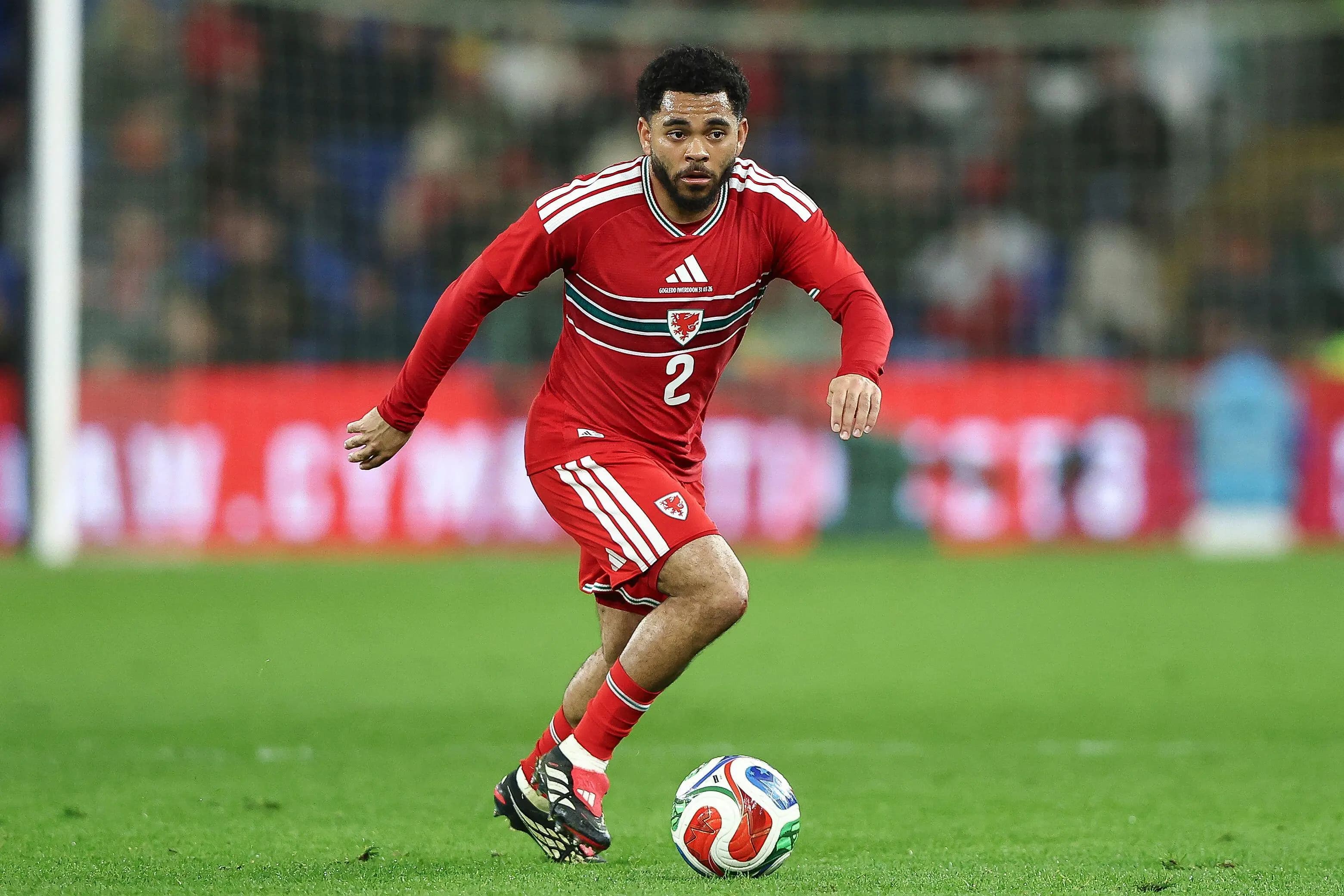
Jay Dasilva Bids for Premier League to Banish World Cup Blues
Jay Dasilva is determined to soothe the frustration of Wales’ World Cup exit by surging into the Premier League with Coventry City.
Paul Jones | Apr 03, 2026
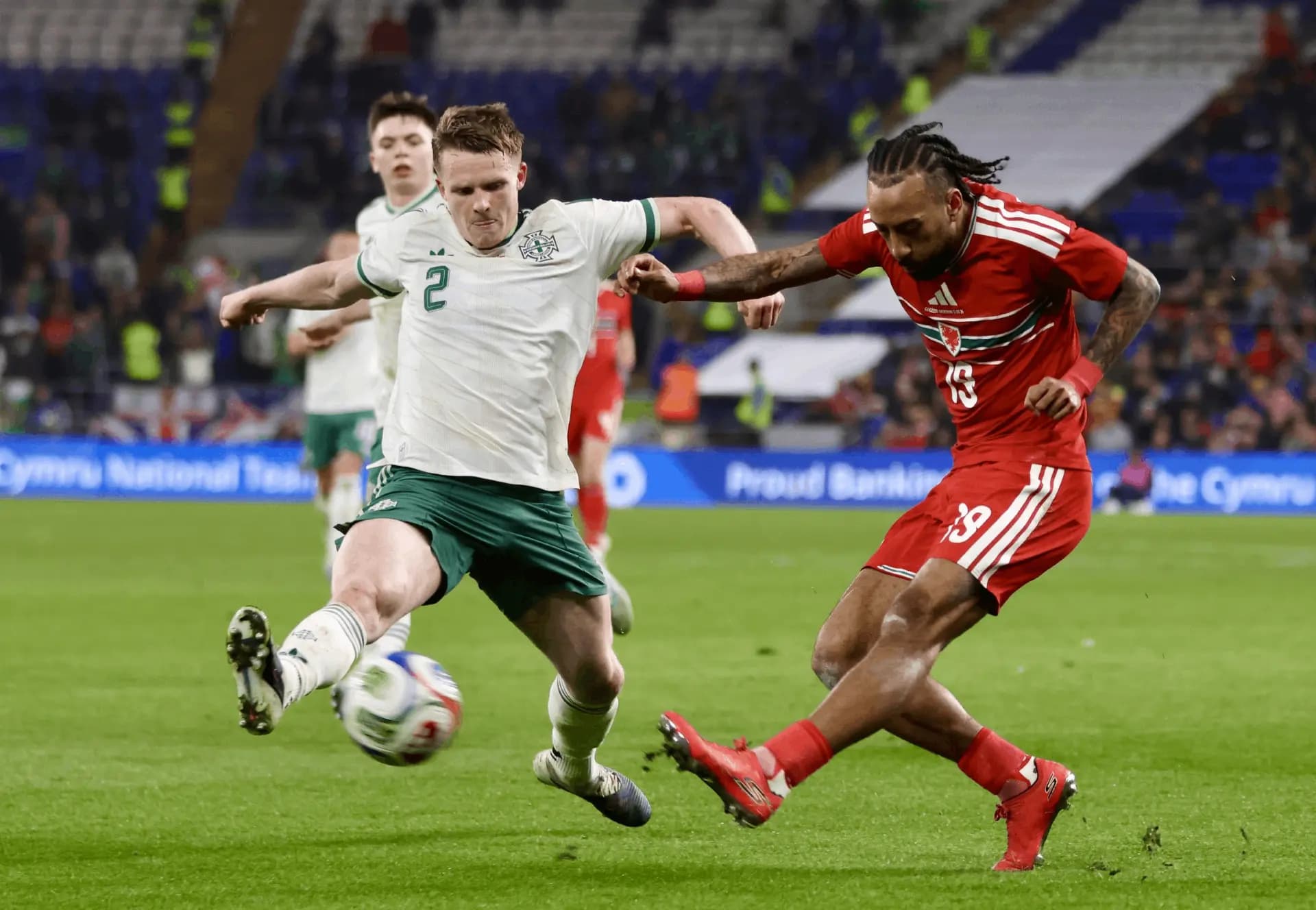
Sorba Thomas has Message for Wales: Keep Hold of Craig Bellamy
Sorba Thomas has warned Wales they have to do all they can to hang on to Craig Bellamy.
Graham Thomas | Apr 01, 2026
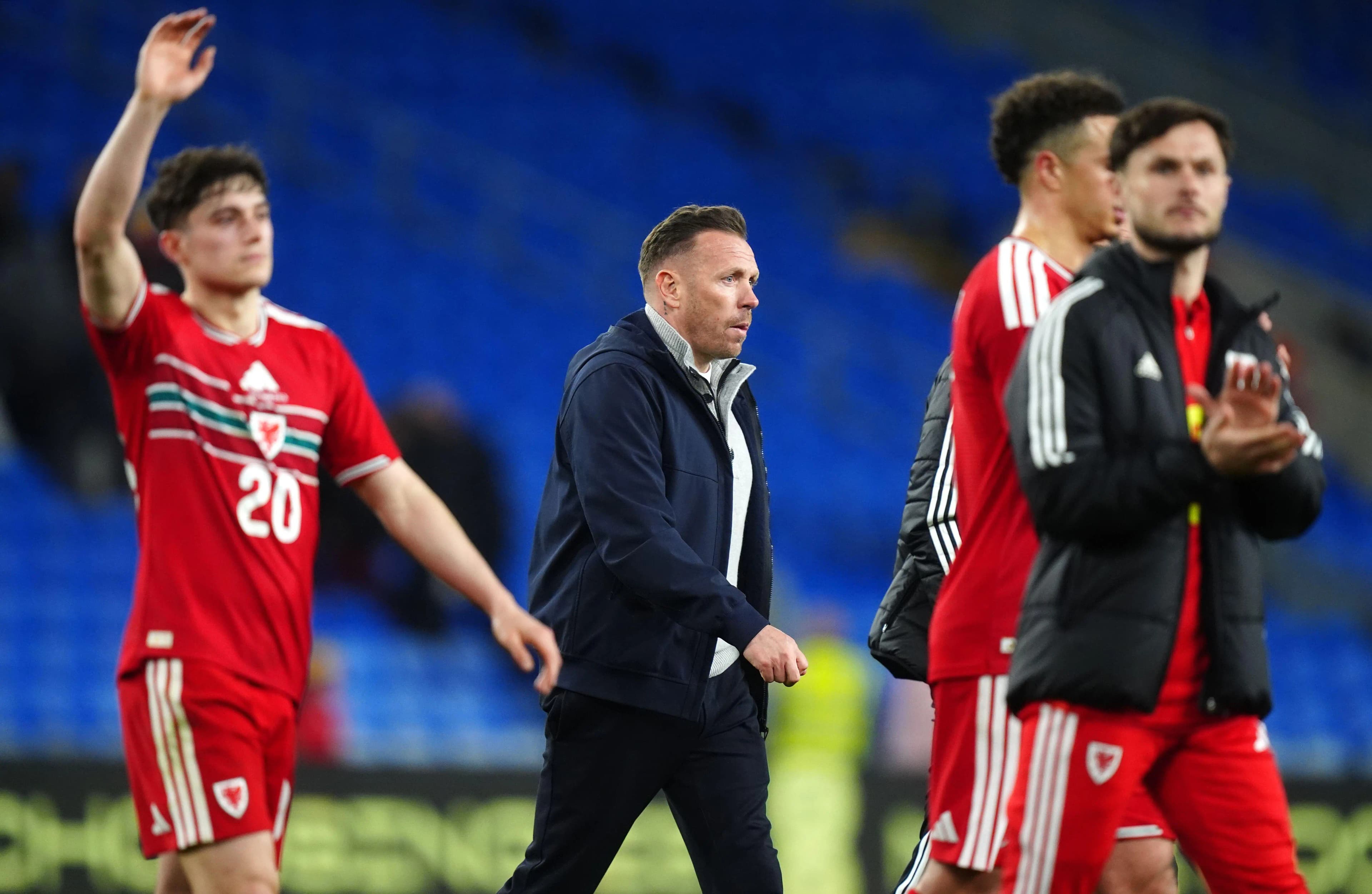
Craig Bellamy: We Were S**t in the First Half . . . Better in the Second
Craig Bellamy admitted his anger boiled over after a dismal first half in Wales’ 1-1 draw with Northern Ireland in Cardiff.
Graham Thomas | Apr 01, 2026
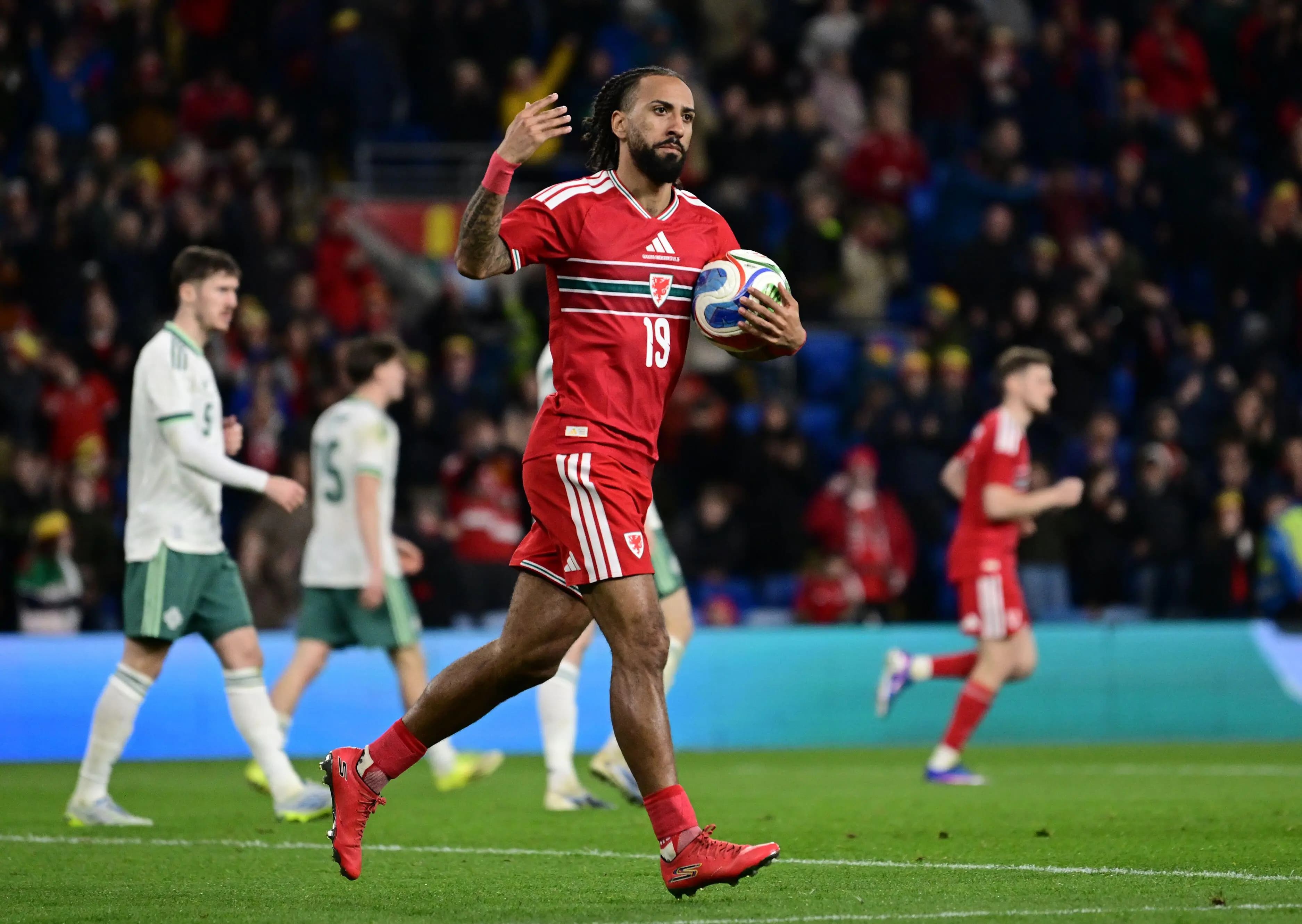
Wales and Northern Ireland Endure, Draw . . . and Move on
The match nobody wanted ended with the scoreline everyone will forget.
Graham Thomas | Mar 31, 2026
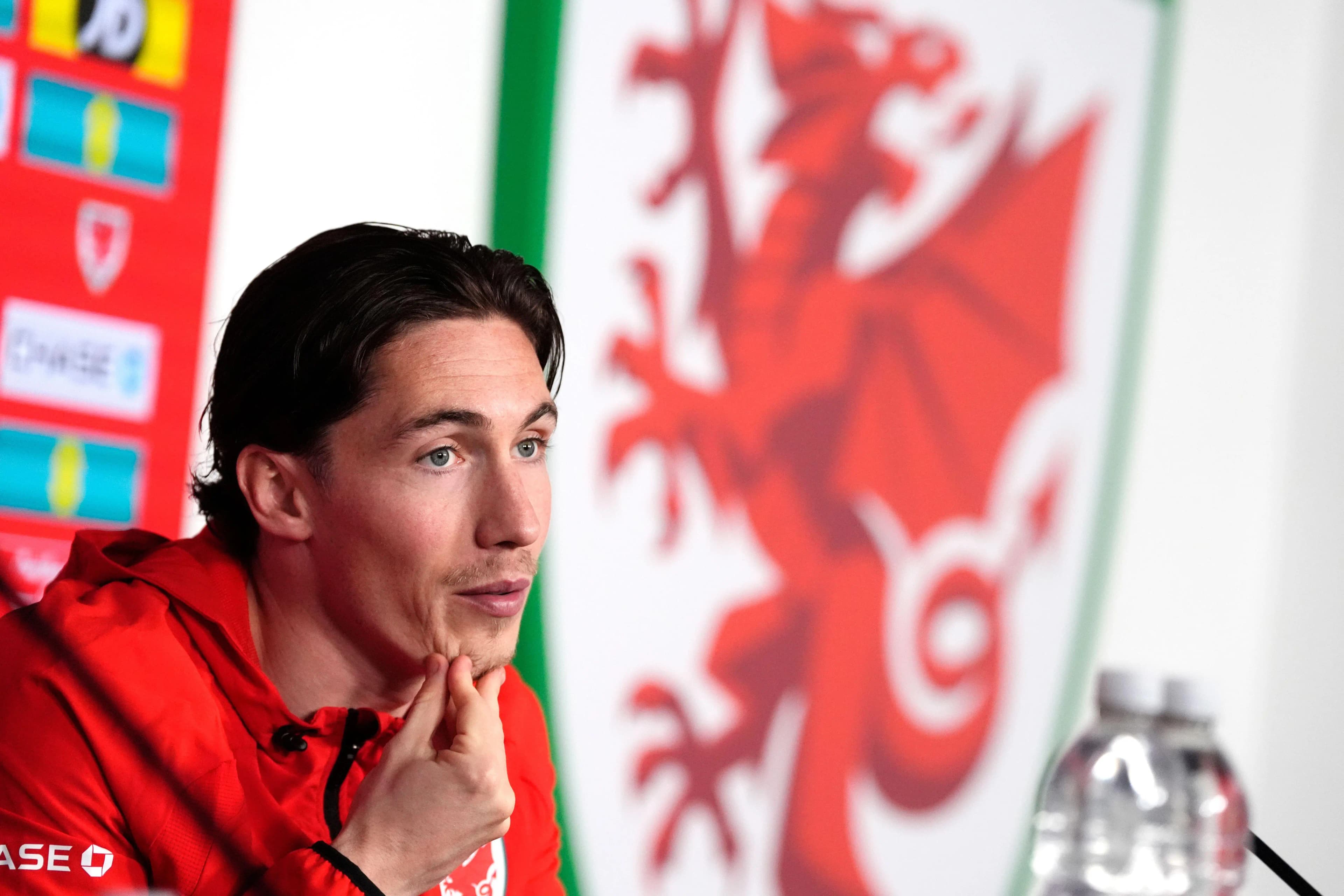
Harry Wilson Tells Wales to Focus on the Next Party Invite . . . Euro 2028
Harry Wilson has urged Wales to use their unwanted clash against Norther Ireland to quickly shift the focus towards a home European Championship campaign in 2028.
Graham Thomas | Mar 31, 2026
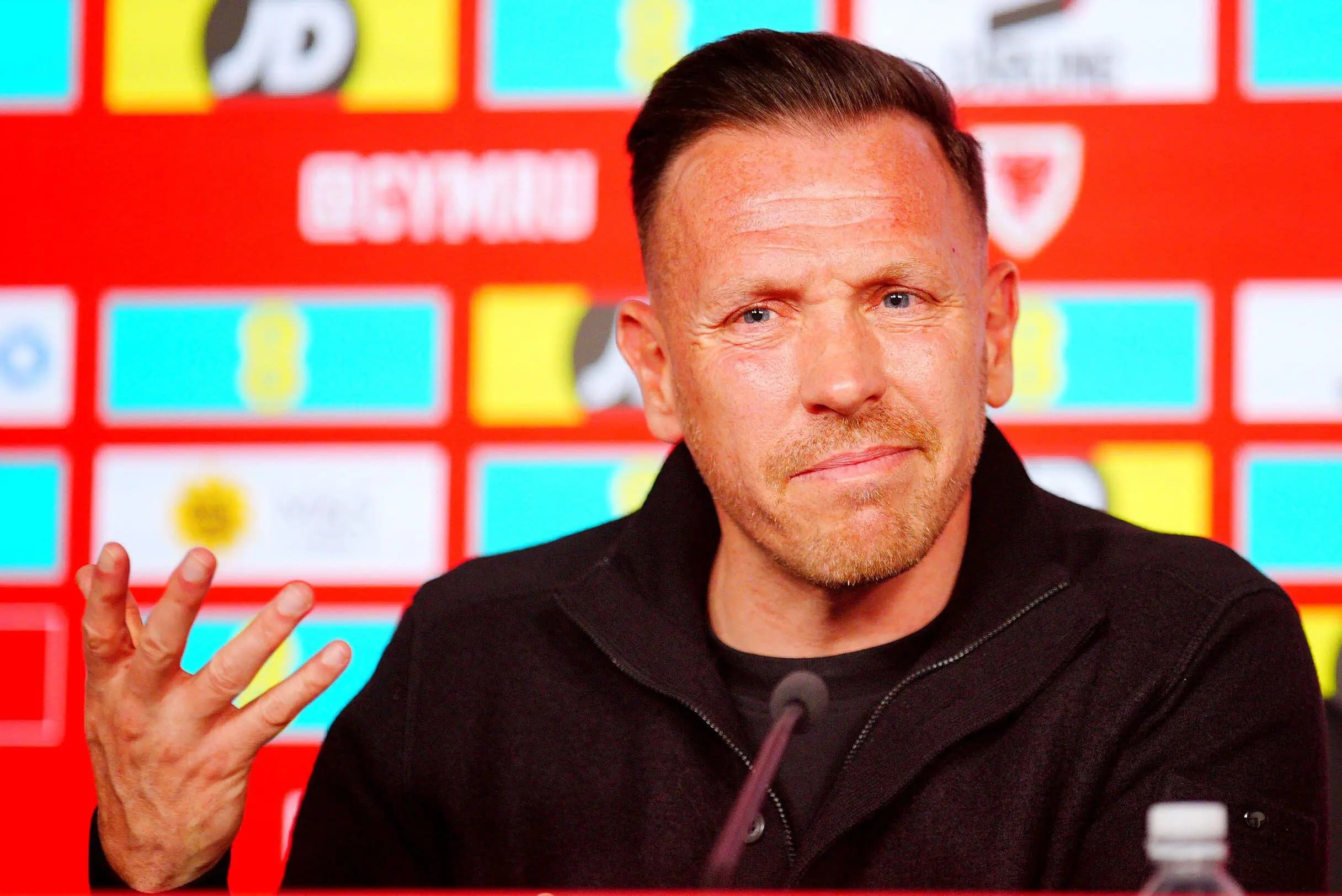
Craig Bellamy Insists he has the Hunger For Another Campaign With Wales
Craig Bellamy has insisted he has the “energy” for another tournament qualification campaign with Wales, despite the heartbreak of failing to make this summer’s World Cup.
Graham Thomas | Mar 30, 2026
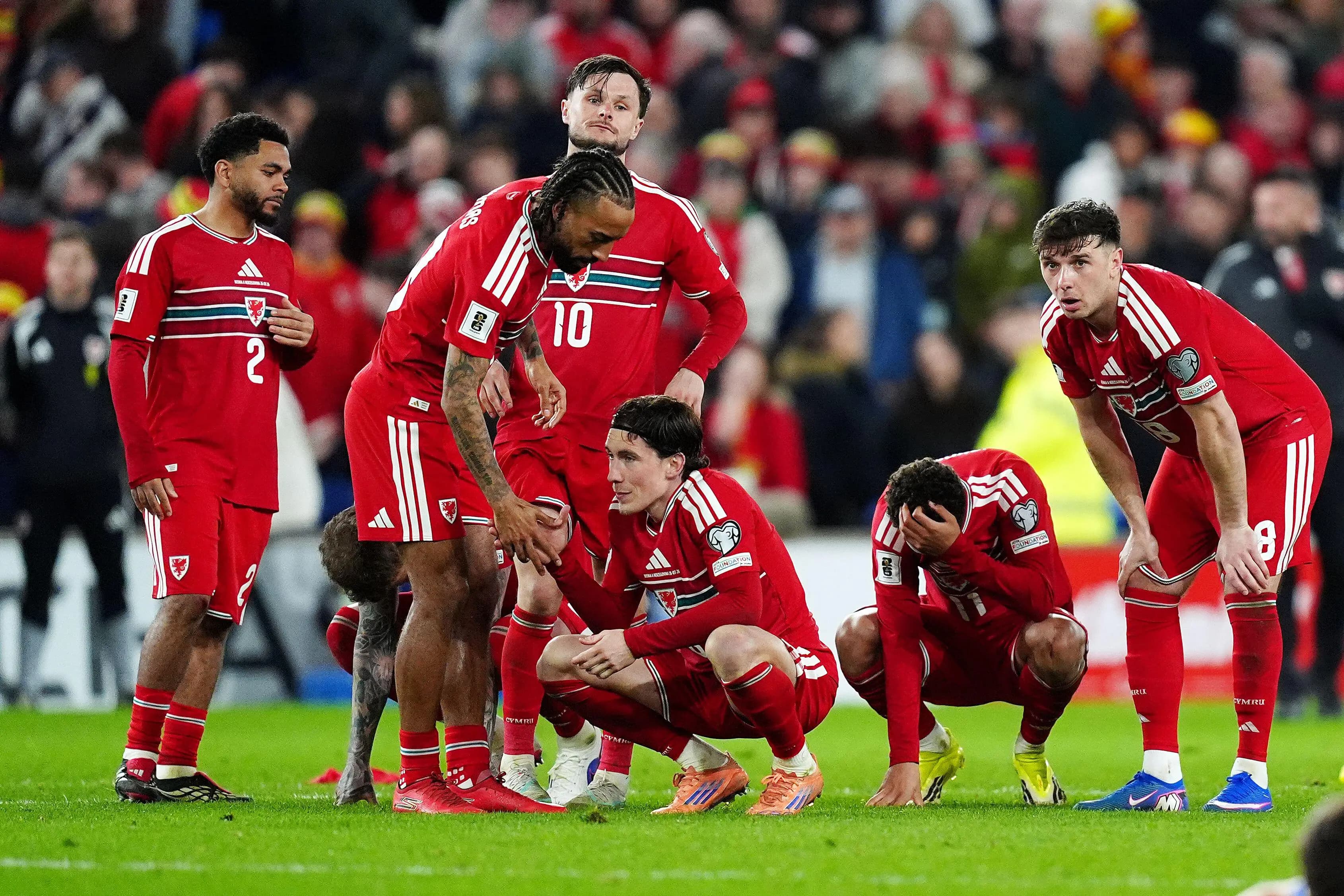
World Cup Failure Should Prompt Honest Debate Over Craig Bellamy’s Wales’ Strategy
Craig Bellamy had claimed Wales would enhance the World Cup, but now the question is whether changes would enhance their prospects of making Euro 2028.
Ian Mitchelmore | Mar 28, 2026
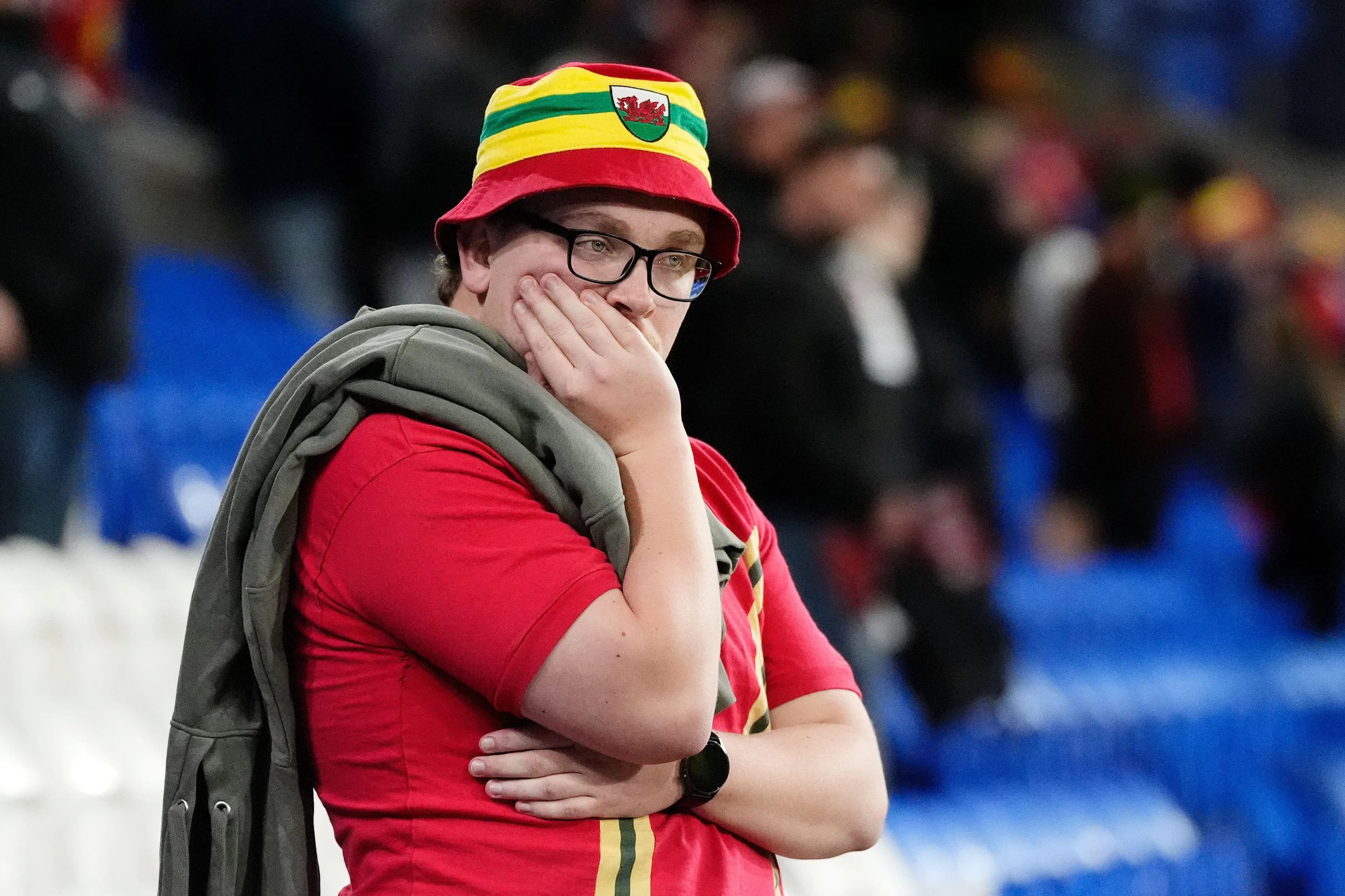
Wales Start Counting Cost of a Missed World Cup . . . £8.7m and Rising
Noel Mooney has warned that Wales’ failure to qualify for the 2026 World Cup will carry a significant financial cost—and a wider emotional impact across the country.
David Williams | Mar 28, 2026
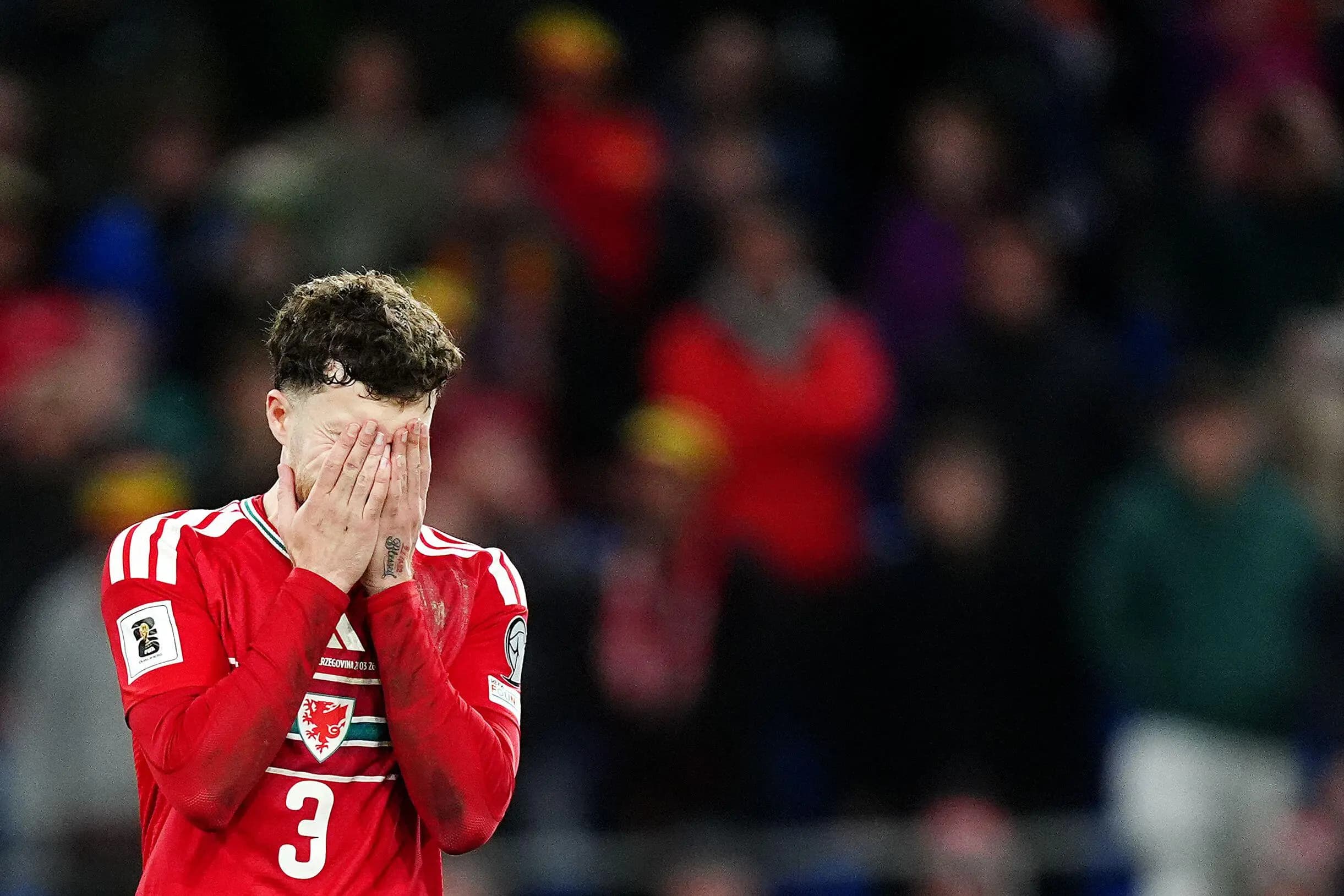
Wales Taste Bitter Penalty Harvest Again as World Cup Dream Dies
There will be no World Cup finals for Wales as their qualification dream died in familiar desperation and finally despair.
Graham Thomas | Mar 26, 2026
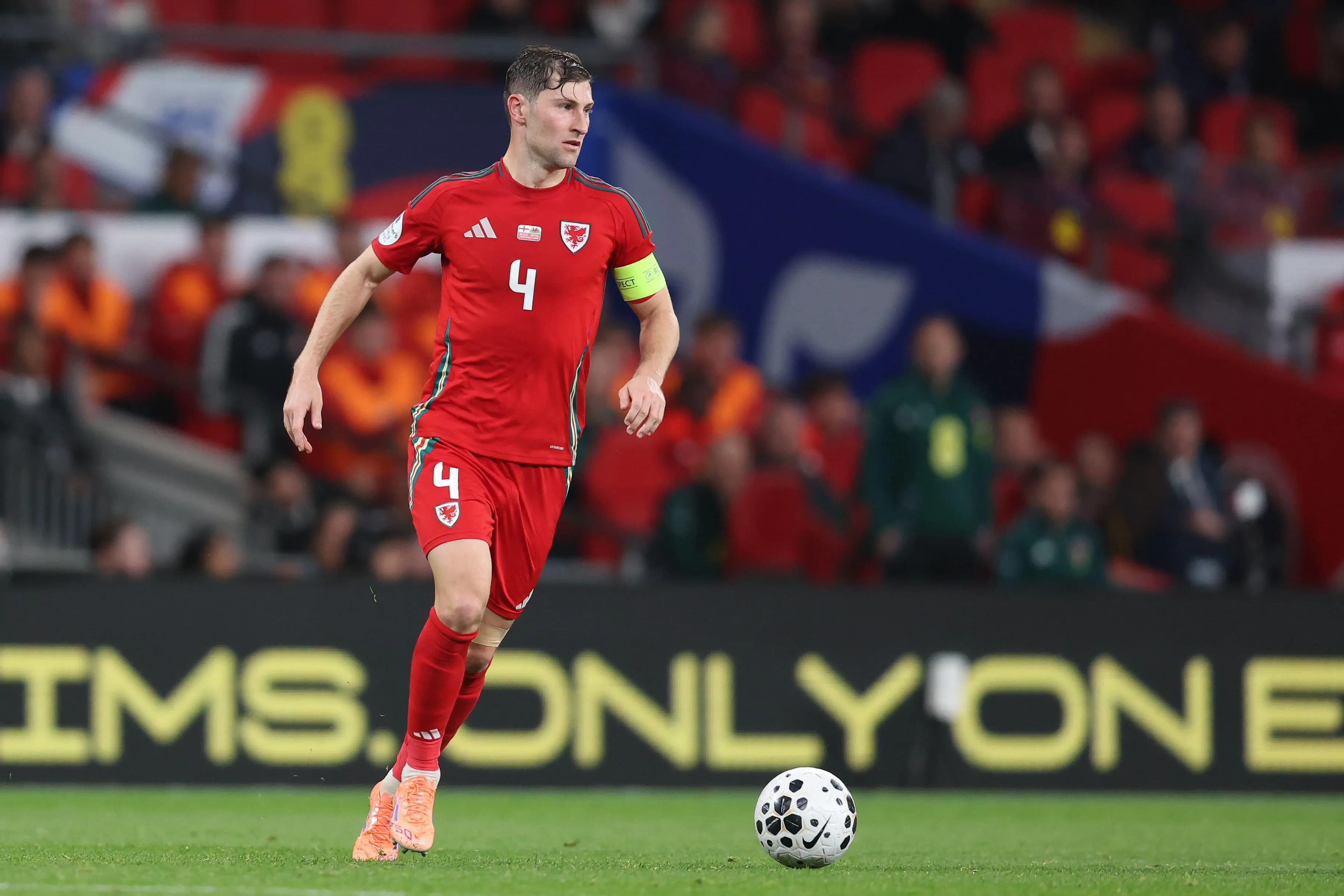
Ben Davies to be Honoured Ahead of Wales v Bosnia
Injured Wales captain Ben Davies will still manage to take centre stage in Cardiff on Thursday night as the nation marks his 100th international appearance.
Graham Thomas | Mar 26, 2026
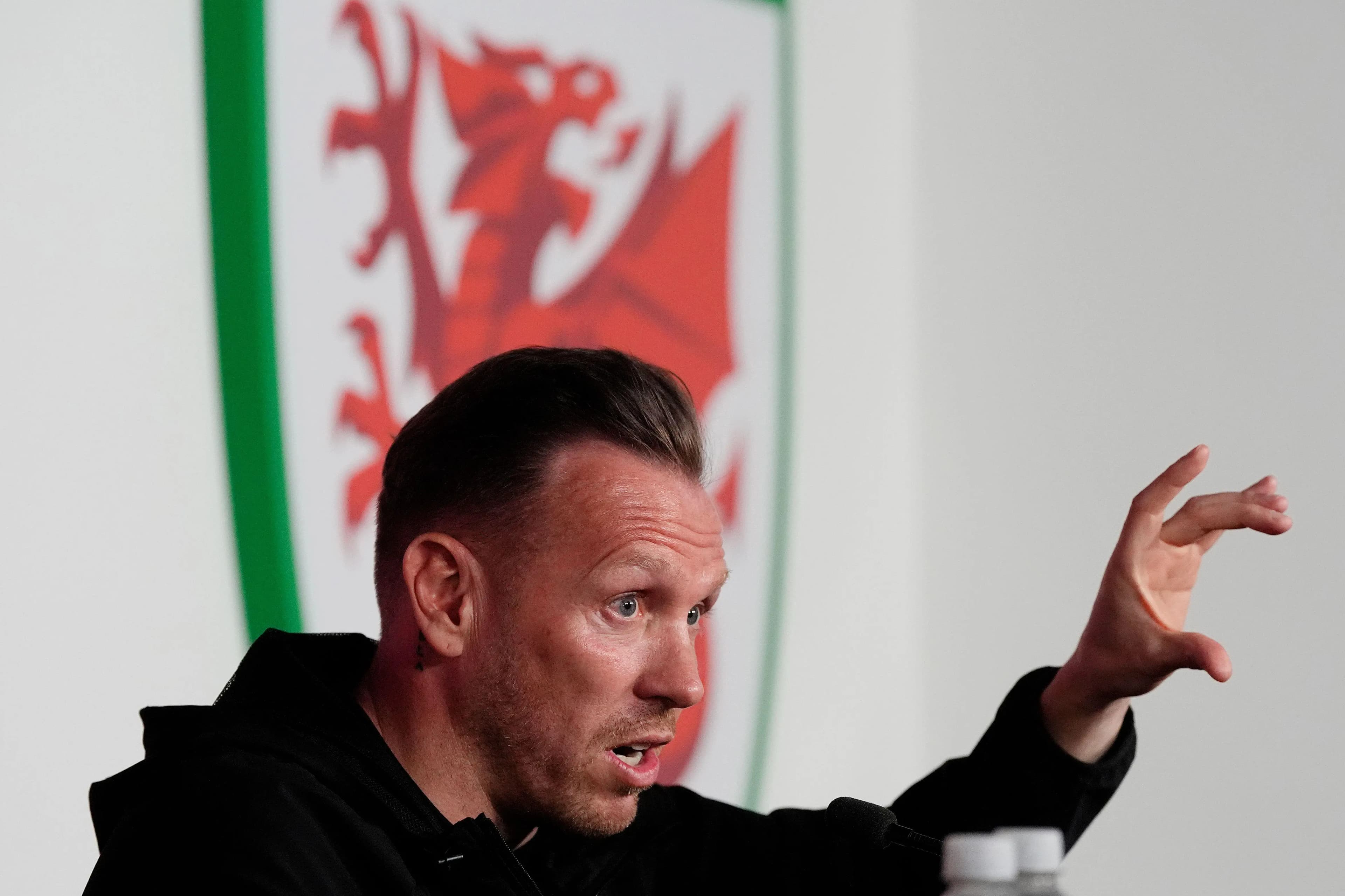
Craig Bellamy Insists Full Throttle Wales Would Enhance World Cup
Craig Bellamy insists Wales would prove a “massive asset” if they fight their way through the play-offs to become one of the 48 teams at this summer’s World Cup.
Graham Thomas | Mar 25, 2026