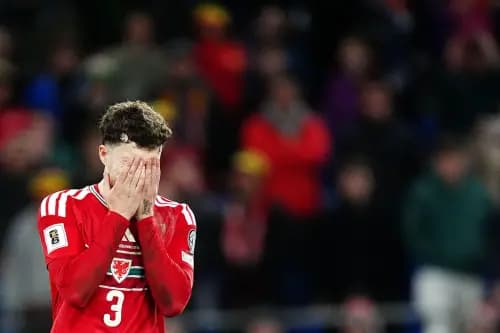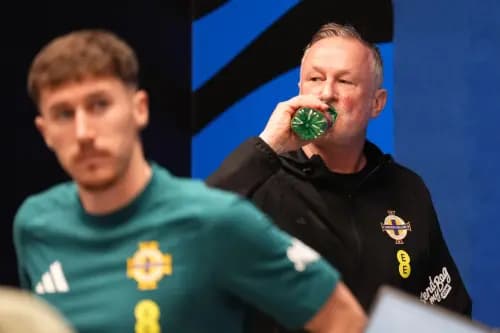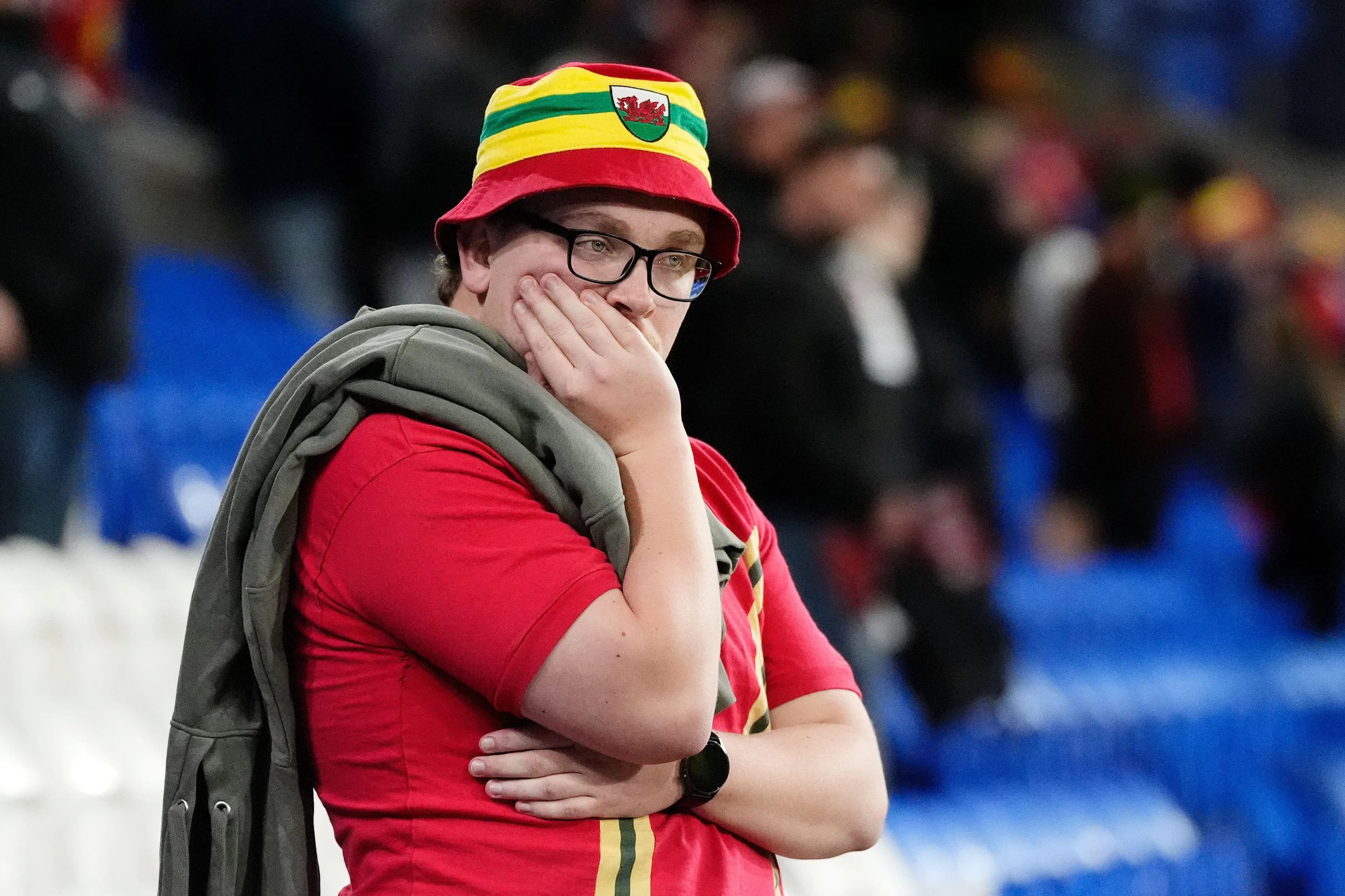
Wales saw their hopes of back-to-back World Cup appearances ended in dramatic fashion on Thursday night, losing a play-off semi-final penalty shoot-out to Bosnia and Herzegovina in Cardiff.
The defeat not only denied Wales a place at this summer’s expanded tournament in North America, but also cut off a major potential revenue stream for the Football Association of Wales.
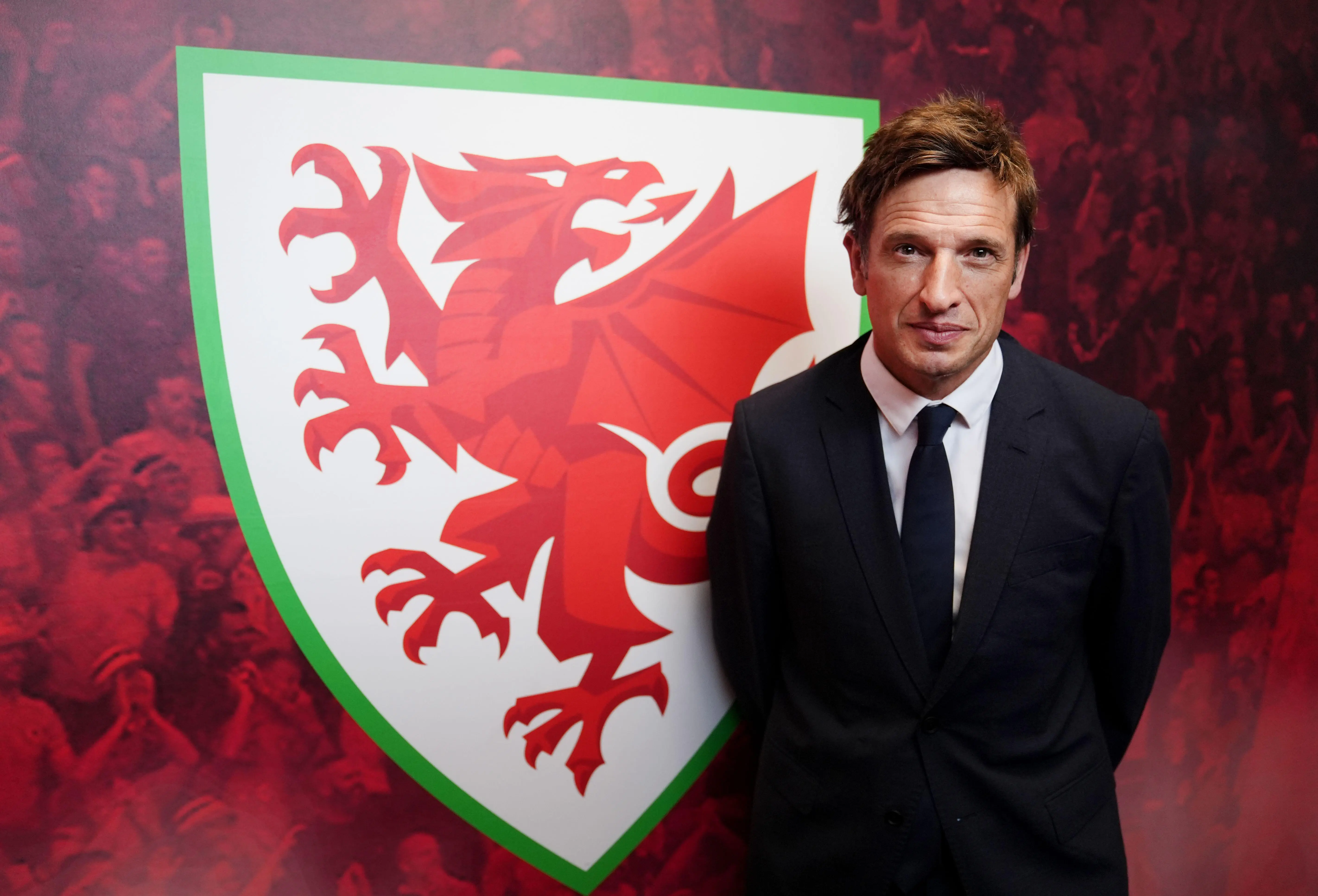
FAW chief executive Mooney revealed the scale of the financial impact by reflecting on the legacy of qualification for the 2022 World Cup in Qatar, which generated far-reaching benefits beyond the initial prize money.
"The maths behind the World Cup was quite simple really because we got around 10 million Euro for getting there," said Mooney.
That income was split across key areas including logistics, player payments and development, but crucially left a surplus that helped transform the domestic game.
"We had about £3.5 million spare that we hadn't budgeted for, so we created the Cymru Football Foundation which mirrored the Football Foundation in England.
"We set off on a journey to build up relationships and partnerships with governments and local authorities to turn that £3.5 million into £40-£50 million, which we've managed to do over the last three years. We've leveraged it massively."
That investment has underpinned major infrastructure improvements across Wales.
"So that's a massive legacy of building pitches every day, new dressing rooms, trying to cater for the massive growth in the girls' game across Wales.
"At this moment, we're building multiple pitches and stadiums across the country, and the catalyst for that was qualifying for the World Cup in 2022."
READ MORE: Craig Bellamy Admits Wales Let World Cup Chance Slip Away As FAW Start to Count £10m Cost
Wales would have stood to gain even more from the 2026 tournament, with FIFA increasing prize money by 50 per cent and offering additional funding for preparation costs.
Reports suggest even the minimum participation payment would have represented a significant proportion of the FAW’s annual revenue in a non-tournament year.
However, Mooney stressed that the consequences of missing out extend well beyond finances.
"The energy around the country when we qualify for World Cup or a Euros is so big it outweighs any financial impact for the Association because the whole country's talking about you.
"Kids are wanting to play the sport and you can feel the surge of energy that runs through the country.
"The country comes to a stop when we qualify for major tournaments, so to the whole mood of the game lifts as well."
READ MORE: Wales Taste Bitter Penalty Harvest Again as World Cup Dream Dies
Despite the setback, Mooney emphasised the FAW’s responsibility to continue developing the game at all levels.
"We've got 900 grassroots clubs and it's their sport we are custodians of. When we qualify for things the mood of the nation is so much better but, of course, we still have to manage the business side too."
While Wales must now regroup after their play-off disappointment, the financial and cultural void left by missing out on another World Cup will be keenly felt—both in the boardroom and across the wider football community.