
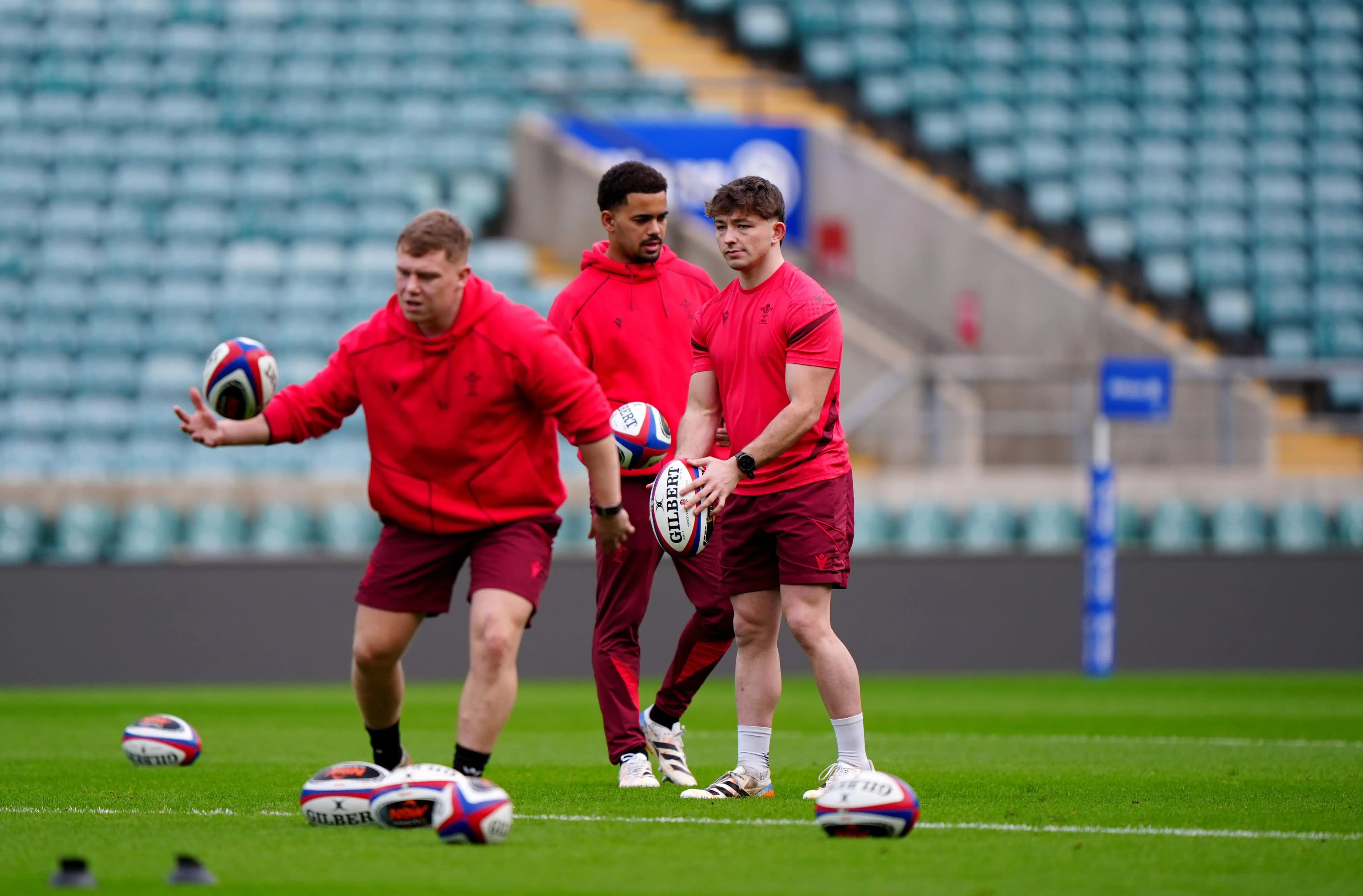
This year, as Wales head to Twickenham to face England on Saturday, excitement has been replaced by unease, resignation and, in some quarters, dread.
Expectations are so low that merely keeping the margin of defeat respectable is being framed as a small victory.
The recent record explains why. Wales have won just two of their last 23 internationals, both narrow successes against Japan, and arrive in London on the back of a run that has stripped confidence from players and supporters alike.
READ MORE: Steve Tandy Demands Improvement from Wales After Bleak Autumn
Their most recent outing, a 73-0 home defeat by South Africa in November, was not simply another loss but a humiliation that cut deeply into the psyche of players, who were already worn down by a crumbling domestic game.
Against that backdrop, the prospect of taking on an England side brimming with confidence feels daunting in the extreme.
If Wales emerge from Allianz Stadium having lost by fewer than six tries, many will see that as exceeding expectations.
The gap between the teams has become so stark that it has drained much of the traditional edge from one of rugby’s fiercest rivalries. This has been the lowest of low key build-ups.
READ MORE: Louis Rees-Zammit to be Launched From Deep as Wales Bid to Sink England
Where once there was mutual hostility, there is now something far more uncomfortable for Welsh fans: sympathy.
This collapse has been rapid and startling. Wales were Six Nations champions as recently as 2021, yet in the space of five years they have slipped from contenders to heavy underdogs.
They have not won a Six Nations match since beating Italy in Rome in March 2023, a drought that has produced two winless campaigns and consecutive Wooden Spoons.
An unprecedented 18-Test losing streak was compounded by record home defeats to England, Argentina and South Africa last November, while England themselves ran in 10 tries during a crushing 68-14 victory in Cardiff just 10 months ago.
READ MORE: Tomos Williams v Antoine Dupont may be the Best Contest Wales can Hope For
History offers little comfort.
Wales have won at Twickenham only twice in the past 38 years of Five and Six Nations rugby, in 2008 and 2012, both seasons ending in Grand Slams.
Since 1988, only Welsh sides capable of sweeping the championship have managed to prevail there.
That statistic alone underlines the scale of the challenge awaiting a team struggling simply to remain competitive.
Publicly, Wales will talk about belief, connection (a favourite buzz word of Steve Tandy) effort and ambition.
Privately, many accept that a shock victory would border on the miraculous.
The more realistic hope is for a performance that shows fight and cohesion, something akin to the first-hour resistance offered against New Zealand last autumn, before class and depth told.

Ruffling English feathers, rather than toppling them, has become the modest aim.
Adding to the gloom is the sense that this fixture, once the focal point of the Welsh sporting year, has been overshadowed by the continual turmoil away from the pitch.
Poorly-timed, ill-conceived, self-serving plans and statements from the Welsh Rugby Union in the lead into the tournament - but precious little detail - have served only to hack off players who thought things couldn’t get any worse.
As former Cardiff City manager Mick McCarthy once famously observed when asked as hard-pressed Blackpool boss to confirm that things couldn’t possibly get any worse: “They can.”
Discussions around the puerile plan to sell Cardiff to the Ospreys in order to kill the Ospreys have dominated headlines leaving Saturday’s match almost an afterthought.
That gloom has added to the belief that there is a vast gulf between the rivals. It has dulled anticipation, with few seriously entertaining the idea that Wales can threaten an England side riding an 11-match winning streak.
That broader loss of connection and trust between fans and the governing body helps explain why defeats now feel more terminal.
When results falter, there is much less optimism that those in charge have any clue, never mind any answers.
It means for Wales coach Tandy - a man built for jaw-jutting defiance - simply showing signs of cohesion, resilience and direction would count as progress.
Victory, realistically, is barely part of the conversation.
In this Six Nations opener, hope has been scaled back to survival, pride measured in moments rather than outcomes, and success redefined as emerging bruised but not broken from a fixture that once promised so much more.