It’s always good to feel a little gung-ho during the early part of the year.
Spurs might be out of the cup, but it’s still good to be optimistic for the 12 months ahead. So, what can we expect from sports media in 2026?
This year’s men’s football World Cup will dominate the agenda for the summer months.
As we know, it is being staged in the US, alongside Mexico and Canada, and the political and cultural backdrop means it is likely to be a World Cup like no other.
All My Life, Watching America
Throughout the tournament, Gary Lineker’s podcast, The Rest Is Football, will be streamed daily on Netflix.
This is a significant deal for Lineker’s company, Goalhanger.
It is also an indicator of where it feels as though the future lies, with a growing battle between the digital giants YouTube and Netflix, and a continued move away from linear TV.
The show, fronted by Lineker, Alan Shearer and Micah Richards, will broadcast live from New York throughout the tournament in a deal reportedly worth £14 million.
This could open up both the show and Lineker to a global audience, given Netflix’s large presence outside the UK. The programme will be broadcast globally.
READ MORE: Big Bash, Bosh . . . Ashes Series Was all Vibes, Clips and Short (Leg) Attention Span
In the UK, live coverage will again be shared by the BBC and ITV. In my last column, I mentioned how TNT’s Ashes broadcast model could provide a blueprint for others in the industry.
Early news from Salford suggests the BBC will cover most World Cup group matches from Media City, with off-tube commentaries.
A few dollars saved from the budget, but will production values suffer?
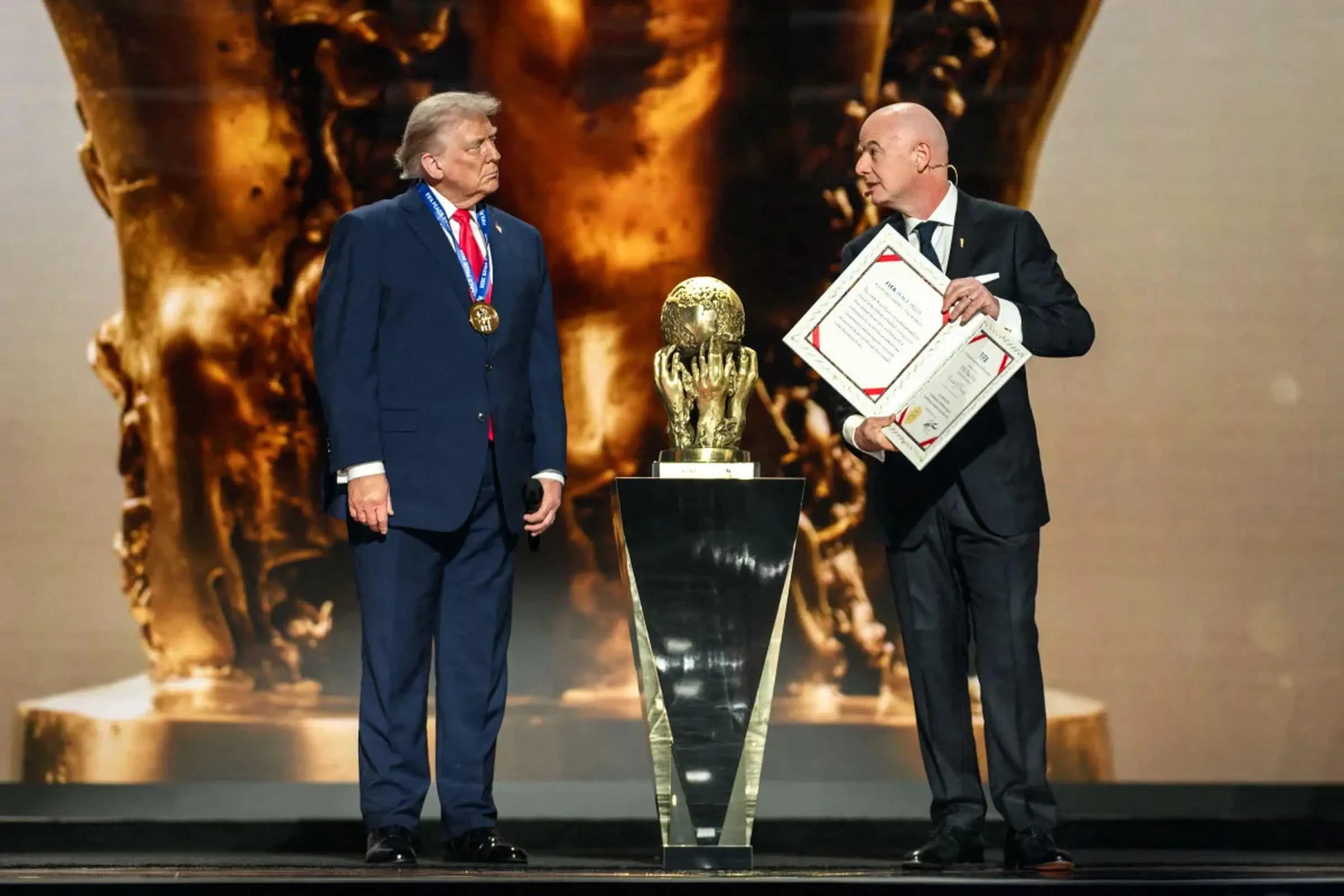
Finally, on the World Cup, if last year’s ‘Copa Gianni’ is anything to go by, we can expect the prospect of head coaches and players being interviewed on television during half-time at matches.
It is an intriguing prospect, given it’s one that players and coaches have always pushed back on.
Carving Out A Niche
With football continuing to eat itself, and much else in its path, it is hard to see room for anything else.

The vast array of live broadcast sport means the commercial market is spread increasingly thin.
Minority sports are forced to find their broadcast space on whatever platforms they can.
News reached us in the autumn that ITV had submitted a £90 million bid for the rights to broadcast a new rugby Nations Championship.
Now the deal has been confirmed, it means every England rugby Test match will be on ITV and free to air.
That is, assuming ITV retains the rights to the Rugby World Cup, which it has held since 1991, alongside its Six Nations deal.
This is a hammer blow for TNT, which has held the rights to recent autumn Tests, although it would seem good news for fans unwilling to go beyond the paywall.
And as Welsh rugby continues to flounder, in England there is a huge opportunity for fans and broadcasters alike, with ITV carving out a niche as the rugby brand.
Back in the Game?
A Commonwealth Games year is always a big deal in these parts. It gives athletes in Wales one of the few opportunities to wear a Welsh vest on an international stage in front of a large audience.
That audience could soon be shrinking, though, because for the first time in its history the Games will be on pay TV.
TNT may have lost out on rugby, but they have outbid the BBC for the rights. Is this about cash, or has the BBC decided value lies elsewhere (digital)?
It will be worth monitoring the BBC to see whether it secures a social media carve-out, with rights to publish video clips of key medal moments on its social channels.
If this is the case, it will speak volumes about the direction of travel in Salford, hot on the heels of the announcement that it is investing further in digital clip rights, securing Spain’s La Liga.
The Commonwealth Games decision has taken many by surprise, including former head of BBC Sport Roger Mosey, who said: “The Commonwealth Games really need big TV audiences, so it is a daft decision to go behind a paywall.
“It increases the risk of irrelevance.”
The Games have faced serious challenges of late. The 2026 edition was thrown into doubt after the Australian state of Victoria withdrew as host due to soaring costs, with Glasgow stepping in to stage a scaled-down Games with fewer sports.
These issues, along with the TNT broadcast deal, raise broader concerns about the long-term viability of the event.
In a crowded marketplace, you have to shout to be heard, and the danger is Wales’ voice in the sporting public space is being further silenced with this deal.
Sport as Content Creation
As the sporting landscape evolves, mainstream sport is fracturing.
We’re likely to see more spin-off events, more exhibitionism (Sabalenka v Kyrgios), with little sporting or cultural significance.
Sport as entertainment: targeting younger generations, celebrity influencer battles, content-creation events (Jake Paul v Anthony Joshua), and the continued acceleration of franchise sport (London hosting a franchise in the new NBA European league). The growth of niche events outside the mainstream.
And how will we be watching?
Recent news from The Telegraph suggests the majority of Britons with an interest in sport now believe it is socially acceptable to use pirate streaming services.
Despite threats of jail terms, research estimates that almost four million people in the UK used an illegal streaming source in 2023.
More proof, if needed, that fans are being fleeced.
With prices high and multiple packages needed to watch different leagues, it’s no wonder audiences are going ‘dark’ to consume sport.
I’m all for a sense of new horizons, though I sense this is unsustainable for all concerned.
Andrew Weeks is a lecturer in the school of journalism, media and culture at Cardiff University. You can read his regular columns here.