- Home
- Other Sports
- Big Bash, Bosh . . . Ashes Series Was All Vibes, Clips And Short (Leg) Attention Span

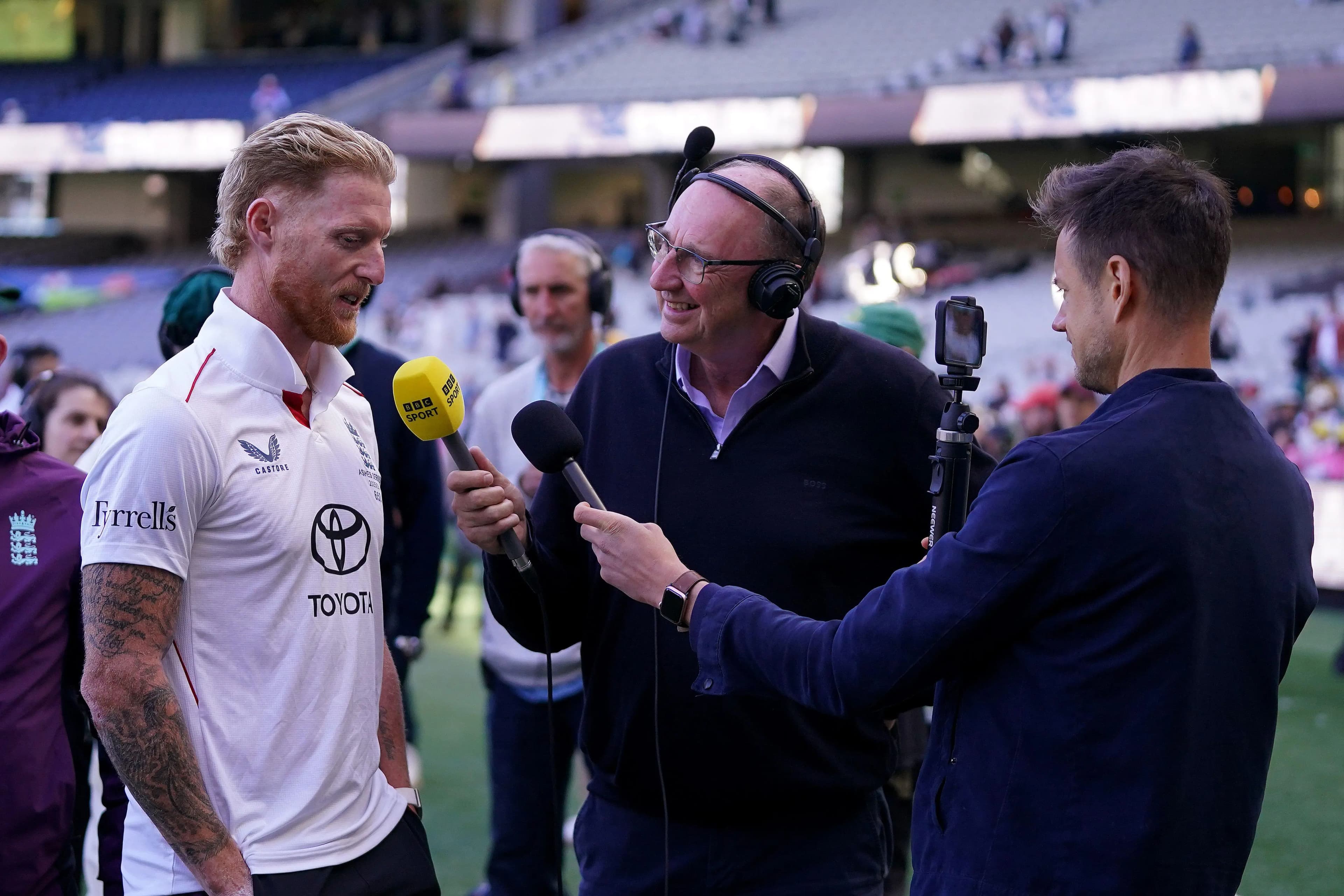
Another Ashes done.
In the time it has taken to play a five Test series, memories of my formative teenage years lost.
Rob Reiner, Hugh Morris and Robin Smith, Mani from the Stone Roses, all gone in the time it has taken England to capitulate, having travelled to Australia with such high hopes.
So what have we borne witness to? What have we watched and read?
Test cricket has always been about narrative. And subtext. It takes so bloody long you need that bubbling discourse.
Blowers, Jonners, Aggers, musing about cake and buses and pigeons, while Boycs drops anchor and books in for bed and breakfast. Test cricket has its own rhythms, its own pace.
Not anymore.
This has been the digital video clip Ashes. The Ashes of pods. TV and radio platforms with cameras rigged for ‘main character energy’.
Commentators playing (up) to the gallery. Aggers in existential crisis at another Brook reverse ramp.
Broady comically giving Alex Carey the dreaded finger for handling the ball. Tubby slowly downing a Guinness while swapping bon mots with the supporters. The 20 second clip at the crease, ready to take guard.
The media research (Reuters Institute, Media.Me etc) tells us short form video now dominates. It delivers higher engagement and retention than longer formats.
And here we are.
READ MORE: Glamorgan to Honour Hugh Morris with Renamed Cricket Centre
Bumble on Triple M Cricket, regaling us with tales of Maureen on the khazi in a Manchester unisex lav. This is the media bedrock, the chronicle of this Ashes. Good fun, although EW Swanton and Neville Cardus, it ain’t.
Video Killed the Radio Star
The much maligned TNT coverage attracted as much commentary as the cricket itself.
Are we watching the future of live sports broadcasting? In an era of fragmented sports rights, are TNT experimenting with what constitutes an acceptable standard of live sports broadcasting?
Budgets are being cut. Audiences are juggling multiple subscriptions. Greater market competition, in-house streaming, a fractured rights market and the shift to digital are all reshaping what acceptable looks like.
The TNT coverage, a curate’s egg. Steven Finn and Alastair Cook offered quality contemporary insight. Becky Ives was an excellent choice as lead presenter.
But overall, the coverage felt uneven, lacking Sky Sports’ sustained investment in editorial and journalism.
READ MORE: When Rory met SPOTY . . . and Joined Wales’ Pioneer, Dai Rees
Without live TV rights, Sky made do, and honoured their billion pound TV rights outlay by sending Mike Atherton and Nasser Hussain to ensure a presence, a digital footprint in an already congested landscape. Sky’s ‘Amanda and Alan’ at the Ashes.
The lingua franca of Ashes Cricket
There has been no shortage of hot takes. TikTok, Instagram and still X are the home of the short clip, home to punditry rage bait.
Straight out of the blocks after the two day first Test debacle in Perth came Sir Geoffrey Boycott in the Telegraph.
“I cannot take this stupid team seriously anymore. They never learn, because they never listen to anyone outside their own bubble, because they truly believe their own publicity.”
One wag on X replied: “When the worst person you can think of says something you agree with 100%.” What a start.
To use a Boycsism, one brings two, and England’s demolition in Perth was followed by annihilation at the Gabbatoir.

Here is Baz McCullum post match. “Leading into this Test match I actually think we overprepared, to be honest.” Cue a humongous pile on. “Overprepared my arse,” from TalkSport’s Darren Gough.
There was more from Baz (straight from the set of the Big Lebowski). “It’s a pretty good gig. It’s good fun. You travel the world with the lads and try to play some exciting cricket and try and achieve things.”
Baz emotionally vibe coding the travelling media set. In response, journo Isabelle Westbury posted ‘this quote could just as easily have come from a deckhand working the super yachts cash in hand every summer’. It is a rum do.
By the time the series was lost in Adelaide, news broke that England would investigate claims their four day break in Noosa resembled a beery stag do, despite Rob Key insisting the players behaved well. The media does its job.
Melbourne followed. Another two day Test. Kevin Pietersen weighed in. “Utter shambles and complete disrespect to the greatest form of the game.”
It was not long ago KP was citing the death of Test cricket and claiming ‘T20 cricket is where your digital content sits’.
Joe Moore in the Australian Guardian called it: “an abomination of a Test match. It’s not entertainment, it’s mediocrity.”
By the time the Sydney Test arrived, we did at least get one of the great press conferences.
Usman Khawaja hitting out at racial stereotypes, making plenty of people, including many in the media, uncomfortable. Which was entirely the point.
A thoughtful cricketer spending fifty minutes raising the bar of Ashes discourse. At last, some narrative. Some space to think, analyse and reflect.
Amid the social media clip barrage, there was articulate, reasoned writing. Gideon Haigh and Mike Atherton, the big beasts of the press box. Steve James’ heartfelt tribute to Hugh Morris in The Times. Simon Wilde’s last interview with Robin Smith. But nowhere near enough.
Two and three day Tests leave no room for narrative, no space for reportage to breathe.
Given more time mid series, reports of England losing control of centrally contracted players for a month during next year’s Hundred might have received greater scrutiny.
Harry Brook reportedly agreeing to £400k to play for Sunrisers Leeds perhaps explains something about his mindset as the modern Ashes England Test cricketer.
Herein lies the issue. Is the Ashes no longer the pinnacle for English cricketers?
The timeline dominated Ashes, designed to go viral, built for the scroll.
Andrew Weeks is a lecturer in the school of journalism, media and culture at Cardiff University. You can read his regular columns here.