- Home
- Other Sports
- When Rory Met SPOTY . . . And Joined Wales’ Pioneer, Dai Rees

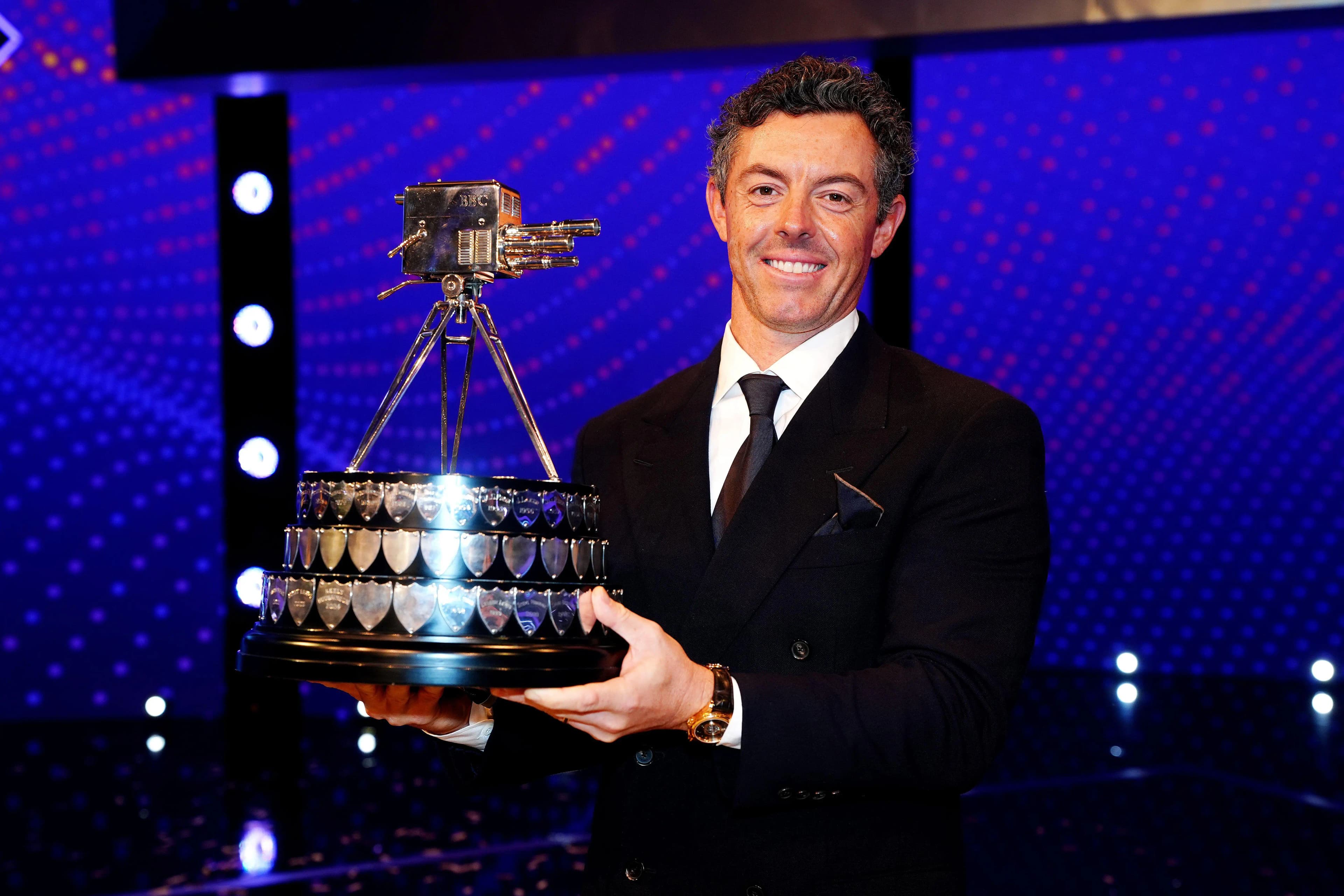
Rory McIlroy was named BBC Sports Personality of the Year 2025, and the golfing world, along with the BBC production team, shared a collective sigh of relief.
In April, McIlroy completed a career Grand Slam in one of the great televised sporting moments, winning a play-off against Justin Rose.
It was a reminder that, in a world of on-demand and catch-up viewing, only sport can still deliver truly unmissable live television (even at one in the morning).
Then, in September, he helped lead the European Ryder Cup team to victory in the most hostile match in the event’s history. He was the rightful winner of SPOTY.
In the build-up, notable commentators shared their pre-event existential crises on social media at the prospect of McIlroy missing out.
They needn’t have worried. Though, had the gong gone elsewhere, both McIlroy and the BBC would have been blameless; responsibility would have lain squarely with a sport still unable to organise and present itself.

I’m on the record as a fan of SPOTY. I’m out of the closet on this one.
For McIlroy to turn up at all is testament to the award’s continuing appeal.
Any athlete aware of the event’s history would want their name on such a prestigious roll of honour.
The accolade is no mean feat. He is only the third golfer to win SPOTY, after Nick Faldo (1989) and Welsh Ryder Cup pioneer Dai Rees in 1957.
McIlroy is only the fourth Irish winner, after Mary Peters (1972), Barry McGuigan (1985) and AP McCoy (2010).
Golf may have all but disappeared from BBC screens, but McIlroy’s story is a BBC one, documented from his earliest years by BBC Northern Ireland’s Stephen Watson and colleagues, as well as the network’s golf correspondent, Iain Carter.
The award is culmination for all who have told his story.
And SPOTY’s enduring appeal lies in its storytelling. There were plenty of pre-event accusations of a programme gripped by “woke madness.”
In reality, the shortlist’s diversity reflects a contemporary, shifting sporting landscape, though the inclusion of two England footballers felt excessive.
The night’s most powerful moment came when two fathers whose daughters were killed in a Southport dance class were presented with the Helen Rollason Award for Outstanding Achievement in the Face of Adversity.
Elsie Dot Stancombe, aged seven, Alice da Silva Aguiar, nine, and Bebe King, six, died at a Taylor Swift-themed dance workshop in July 2024.
In the months that followed, Elsie’s father, David, and Alice’s father, Sergio, ran the London Marathon, seeking to build lasting legacies for their daughters through three projects created in their honour.
This was TV to break the heart. And it was a reminder of sport’s power in what can often feel like troubling times.
SPOTY, and its end-of-year retrospectives, often resemble acts of grief.
Watching this year’s tribute to athletes who have passed away over the last twelve months mirrors my WhatsApp conversations with my Dad!
Alongside the mundane exchanges of everyday life (usually me asking him to deal with small jobs I don’t have time for, or more accurately, can’t be arsed with) runs a parallel thread: a live blog of sporting death notifications, delivered by me to him.
Me: Joey Jones has died.
Dad: Wow, great player (Welsh flag emoji)
Me: RIP Billy Bonds.
Dad: What a player. Didn’t get a full cap. It’s your West Ham, innit.
Me: Spike Watkins is dead.
Dad: Newport legend. Gave his daughter a job.
Me: Dad, (local rugby stalwart) Chris Padfield has passed away.
Dad: Very sad. Good bloke.
Sport gives us an emotional outlet, a way to talk about memory and feelings that few other parts of life comfortably allow.
It offers a shared language, particularly between generations. There’s nothing else quite like it.
A friend recently praised this column (I’m happy to take any compliments).
He’s 23 and told me he enjoys the melancholic angst of my weekly missives.
My 18-year-old, (Steven Patrick) Morrissey-worshipping self would have been immensely proud. He knows so much about these things…
But this column wasn’t, and isn’t, intended as a lament for the past. Though, it’s hard not to sound mournful in a sporting culture where Wales rugby captains have to leave the country to secure their futures.
Where another piece of collective identity seems to slip away each year.
Or when Chelsea come to town to face Cardiff City in the League Cup, yet the dominant narrative is that their former owner still owes the UK government £2.5 billion.
And let’s not mention FIFA and their recent ‘peace prize.’
SPOTY helps us remember the social importance of sport (as well as the glitz).
I, for one, am still here for it.
Andrew Weeks is a lecturer in the school of journalism, media and culture at Cardiff University. You can read his regular columns here.