It comes after fresh talks between rebel clubs which point towards a significant rethink of the plan, following a deal to scrap the planned emergency general meeting.
What had threatened to become a damaging public civil war within the game has instead shifted towards negotiation, after Central Glamorgan Rugby Union (CGRU) confirmed it is withdrawing its call for an EGM.
The meeting, scheduled for April 13, had originally been intended to challenge the leadership of the Union and force change at the top of the professional game.
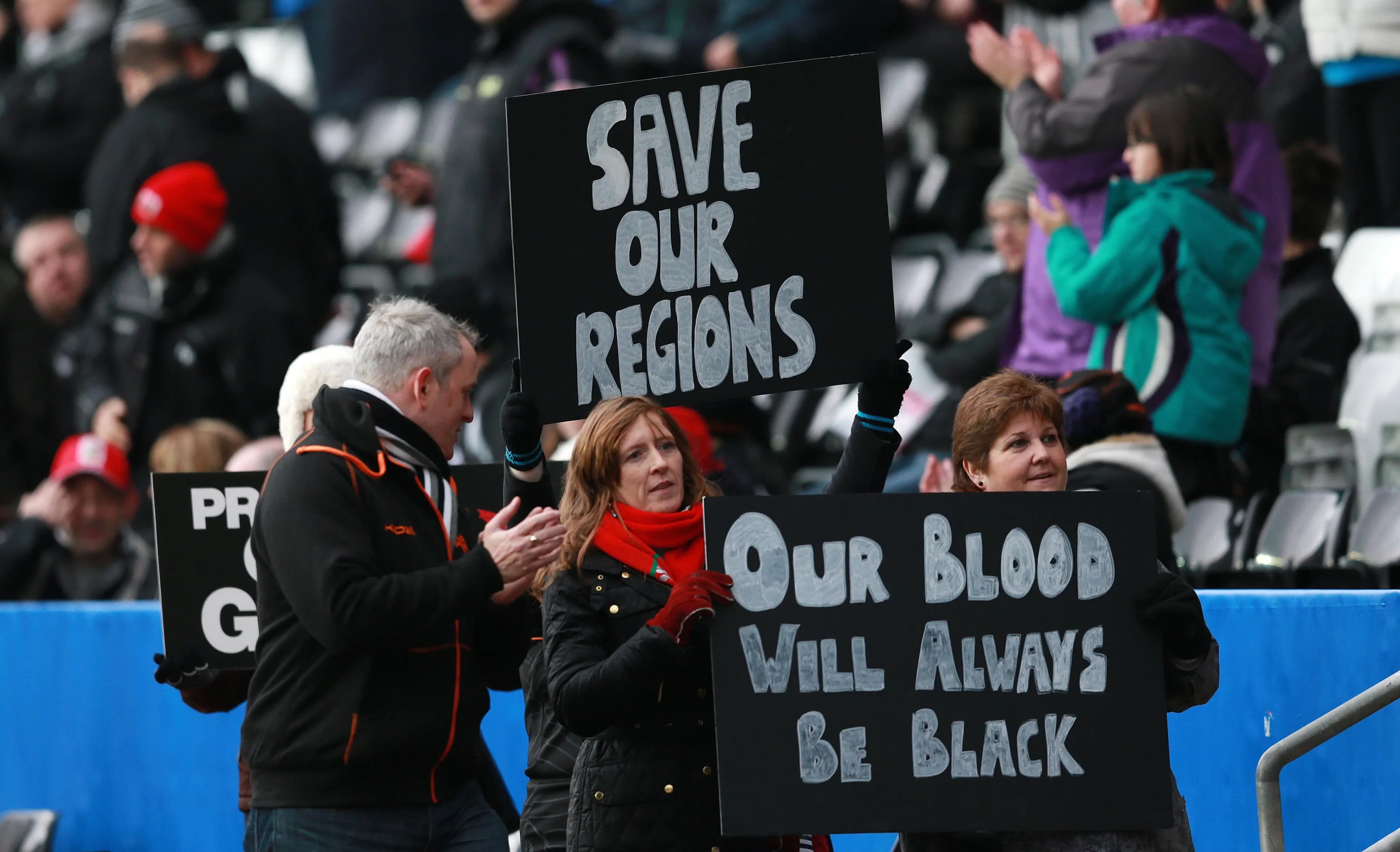
One of the matters at the heart of that dispute was the WRU’s proposal to reduce the number of regions to three by 2027 — a move that has sparked fierce opposition, both within the game and political pressure from outside.
READ MORE: WRU Dealt Huge Blow Ahead of EGM With Damaging Ospreys Decision Revealed
However, the landscape has shifted dramatically in recent weeks.
WRU chair Richard Collier-Keywood has confirmed he will step down in July at the end of his term, while former Professional Rugby Board chair Malcolm Wall has already departed.
Those exits appear to have taken much of the immediate heat out of the situation — and opened the door to a possible compromise.
In a letter to clubs, CGRU made clear it believes its intervention has achieved its primary aims, paving the way for a more collaborative approach over other issues, including the three-team plan.
READ MORE: Ospreys Threat Is Unfair, Unjust and Illegal, Claim Swansea Council
It read: "With the exits of the WRU chairman and the chairman of the PRB along with future engagement with the WRU board on our governance proposals we have achieved the key objectives of our campaign and feel there is no requirement now for an EGM.
"In light of this, we are engaging with the WRU board to discuss how best to manage the EGM process, but it is likely this will now not be required in its current form as we are writing to the WRU legal team to inform them we are withdrawing all three motions.
"We will now request to have constructive engagement with the WRU's board of directors on the governance changes that we had requested, and we believe there is an agreeable path forward for this with regards to council members elections onto the WRU board.
"There will be further details once these discussions conclude."
READ MORE: Lance Bradley . . . The Man who Raised a Glass While The Ospreys Were Drowned
The decision represents a major climbdown from the brink, with the EGM initially called after CGRU secured enough backing from member clubs to trigger a vote of no confidence in senior figures and demand governance reform.
Crucially, though, the row was never just about leadership — it was also about the future structure of the professional game in Wales.
The proposed reduction to three teams had triggered protests, legal threats and deep concern across the rugby community.
Now, with dialogue reopened, there is growing expectation that the WRU’s original plan could be shelved in favour of a revised model.

CGRU has made it clear that any progress will depend on the union pausing its current strategy and engaging with alternative ideas — including a proposal put forward by former Principality Building Society chief operating officer Rob Regan, which aims to retain four professional sides.
The letter urged the WRU to rethink its approach before making any final decisions.
"While there is still much work to do in order to rebuild trust between the WRU board and the member clubs, significant progress can be made.
"We look forward to engaging with the leadership on the future of Welsh rugby and the best way forward for all stakeholders, including the future of the Ospreys, and request the WRU board engage with Rob Regan and his team and pause their plans on the professional game and publish all the evidence before any decisions are made."
That call for transparency and collaboration reflects a broader shift in tone, with both sides now appearing willing to move away from confrontation.
CGRU also stressed that, while the immediate crisis may have eased, Welsh rugby remains at a critical juncture — particularly when it comes to restoring trust between the governing body and its member clubs.
"We are still in a critical moment for Welsh rugby, but we hope we can have renewed engagement with the leadership, and that our voice is never ignored again.
"We hope all member clubs take great confidence we still have a voice and we are proud of how clubs from across Wales have come together to protect the game we all love and we don't have to use an EGM again as an avenue for our voices to be heard.
"We are seeking that there will also be a commitment to more openness, respect and transparency with our elected Council members who are there as our representatives."
With negotiations ongoing and pressure mounting for a rethink, the WRU’s three-team proposal increasingly looks like it may be replaced by a new plan altogether, shaped by the very clubs that rose up to challenge it.