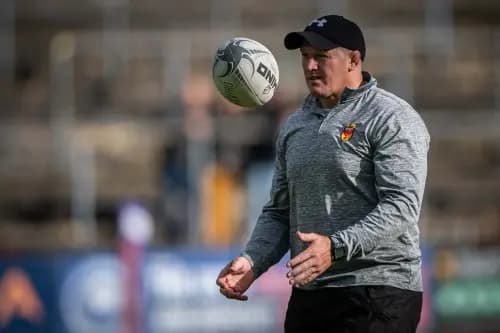
The Leicester-bound back rower was instrumental as Wales ended their long Six Nations losing streak with victory over Italy in Cardiff at the weekend.
The 31–17 victory at the Principality Stadium brought to an end an awful run of 15 consecutive defeats in the championship that dated back to March 2023.
The result provided a welcome lift for a side that had struggled so badly over the past two seasons. Wales have won just three of their last 28 Test matches, with their other two victories coming against Japan.
READ MORE: Steve Tandy Insists Wales Win Must Now Bring Turnaround
For Wainwright, who scored twice and was named player of the match, the win represented more than just relief, it was evidence that the team are beginning to move forward under Tandy’s guidance.
“How we’ve grown throughout the tournament could really set us up for when we come into the next campaign,” said Wainwright, who will leave the Dragons for Leicester Tigers later this year.
“Steve (Tandy, head coach) is really big on his care and connection and making sure we’re all aligned with what we want to achieve when we’re not in camp.
“So if we get that right over the next couple of months coming into summer tours we can really hit the ground running.”
READ MORE: Wales' "Journey" Finally Leaves the Station as Italy are Left Stranded
Wainwright’s own performance played a major role in securing Wales’ first Six Nations win in three years. The 27-year-old overcame a pre-match injury concern to deliver a powerful display that included two tries during a dominant opening spell.
Wales raced into a stunning 31–0 lead during the first 47 minutes against Italy, producing their most complete performance of the championship.
The improvement marked a dramatic contrast to the beginning of the tournament, when Wales suffered heavy defeats against England and France.
READ MORE: Wales are on the Road to Somewhere . . . But Steve Tandy Won’t Say it’s Victory
Those two matches saw Wales concede 102 points, leading to fears they could endure one of the worst campaigns in their history.
However, the team gradually improved as the championship progressed, pushing both Scotland and Ireland far harder than many had expected before finally getting their reward against Italy.
Reflecting on the campaign as a whole, Wainwright said the players were determined to finish on a positive note after a difficult period.

“Given the circumstances of where we are as a country, in terms of our past results and performances, it’s great to get the win and end the campaign on a high.
“But if we are being realistic about it we probably should have had more wins from the campaign.”
The victory could provide momentum heading into a busy international summer schedule.
Wales will begin the inaugural Nations Championship with a match against Fiji at Cardiff City Stadium on July 4.
They will then face two of the sport’s traditional powerhouses on successive weekends — Argentina and South Africa - in what promises to be a demanding tour.
“Going forward hopefully this is a bit of momentum that we need to kick on and haul ourselves to those standards that we set here,” Wainwright said.
While the team celebrated on the field, Welsh rugby continues to face uncertainty away from it.
The Welsh Rugby Union has proposed reducing the number of professional men’s teams in Wales from four to three, a plan that has sparked widespread criticism.
Supporters and political figures have voiced concerns about the potential impact, particularly regarding the future of the Ospreys.
Swansea Council has begun legal action over the proposal, while more than 50 clubs have requested an extraordinary general meeting to hold a vote of no confidence in WRU chair Richard Collier-Keywood.
The meeting is expected to take place next month, although the WRU leadership remains committed to implementing its restructuring plans.
WRU director of rugby and elite performance Dave Reddin said financial realities were driving the changes.
“Economically we can’t support four teams at the same level as teams in the (English) Prem or elsewhere,” he told the BBC.
“That means the resources, the coaching, the medical staff, have to be at a higher level if we are going to support this (playing) talent.”