
Ospreys Articles
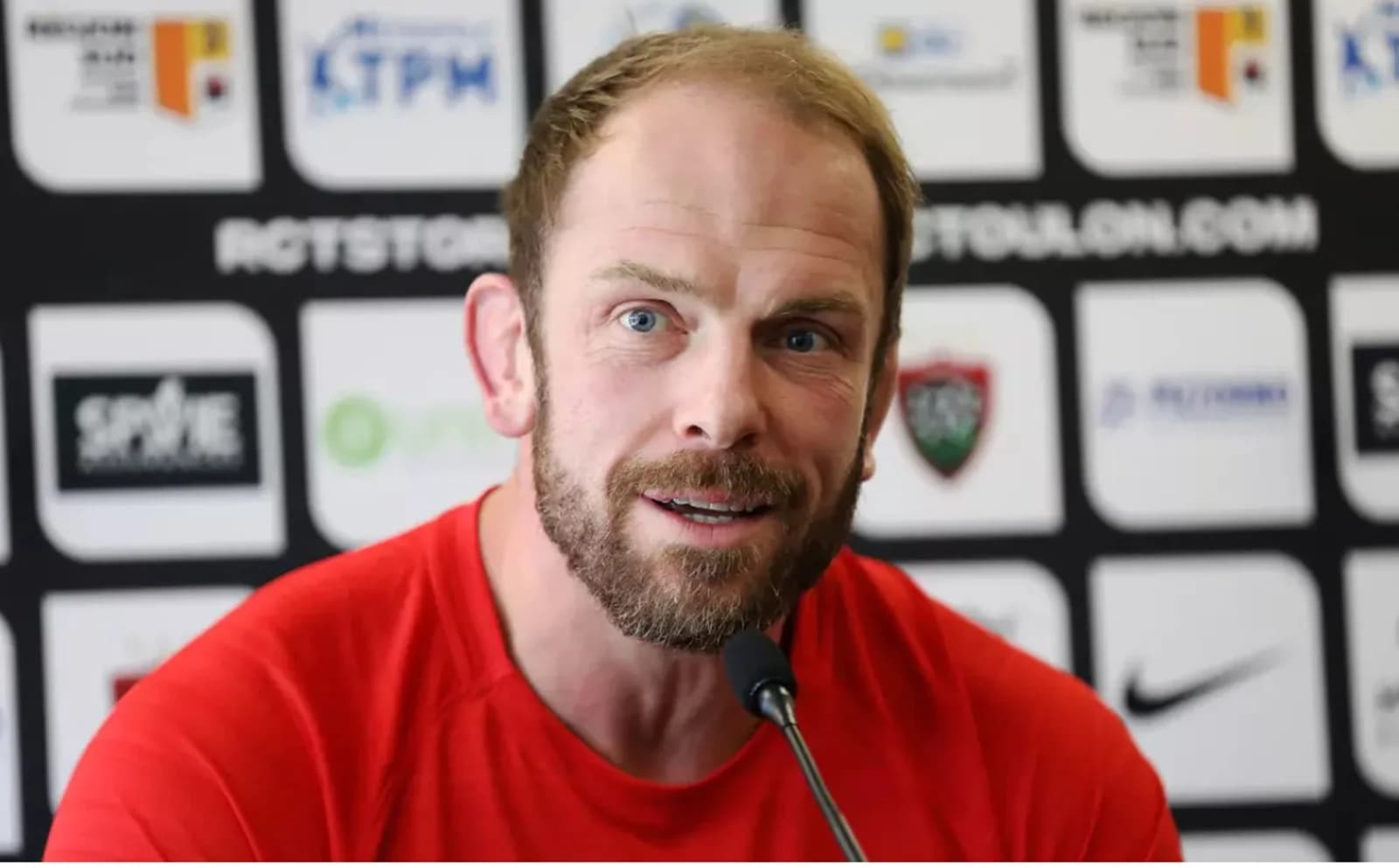
Alun Wyn Jones Gives Up Ospreys Armband As Justin Tipuric Steps Up
Ospreys coach Allen Clarke has revealed it was Alun Wyn Jones’ own call to stand down as the region’s captain. Justin Tipuric will skipper the team this season after Wales lock Jones opted to give up the armband he has carried for eight years since taking over from Ryan Jones. Jones – who will concentrate his leadership duties on captaining Wales into a World Cup season – has held the post since August 2010, making a record 115 appearances as captain, more than double the number of any other Ospreys captain.
Graham Thomas | Aug 16, 2018
Gethin Jenkins Takes First Coaching Role At Cardiff Blues
Gethin Jenkins will dip his toe into the coaching pool next month when the Ospreys face the Scarlets in the Celtic Cup – the new shadow tournament for the Guinness Pro 14 designed primarily for under 23 players. The Cardiff Blues prop – Wales’ most capped player – will be the defence coach for the Blues’ youngsters. It’s a first venture into coaching for the Lions forward, who will be 38 in November, but still remains committed to at least one more season as a Blues player.
Graham Thomas | Aug 15, 2018
Dragons Could Not Afford To Hire Shaun Edwards . . . So, It’s An Ospreys Only Deal
The Dragons’ bid to share Sean Edwards with the Ospreys this season has collapsed due to a lack of cash. The Wales defence coach – who is leaving to take over at Wigan after next year’s World Cup – has confirmed he will be working with the Swansea region on a consultancy basis. Back in May, Wales coach Warren Gatland announced that Edwards would be working with both regions on a part-time basis, following a brief spell with the Cardiff Blues last season.
Editor | Aug 15, 2018
May Back At London Welsh As Backs Coach
Former England international Tom May has been announced as the new backs coach at London Welsh. May, who finished his playing career with the Old Deer Park outfit in 2016, returns to the club following the departure of director of rugby Sonny Parker earlier this summer.
Owen Morgan | Aug 07, 2018
Summertime. . . And The Predictions Are Easy
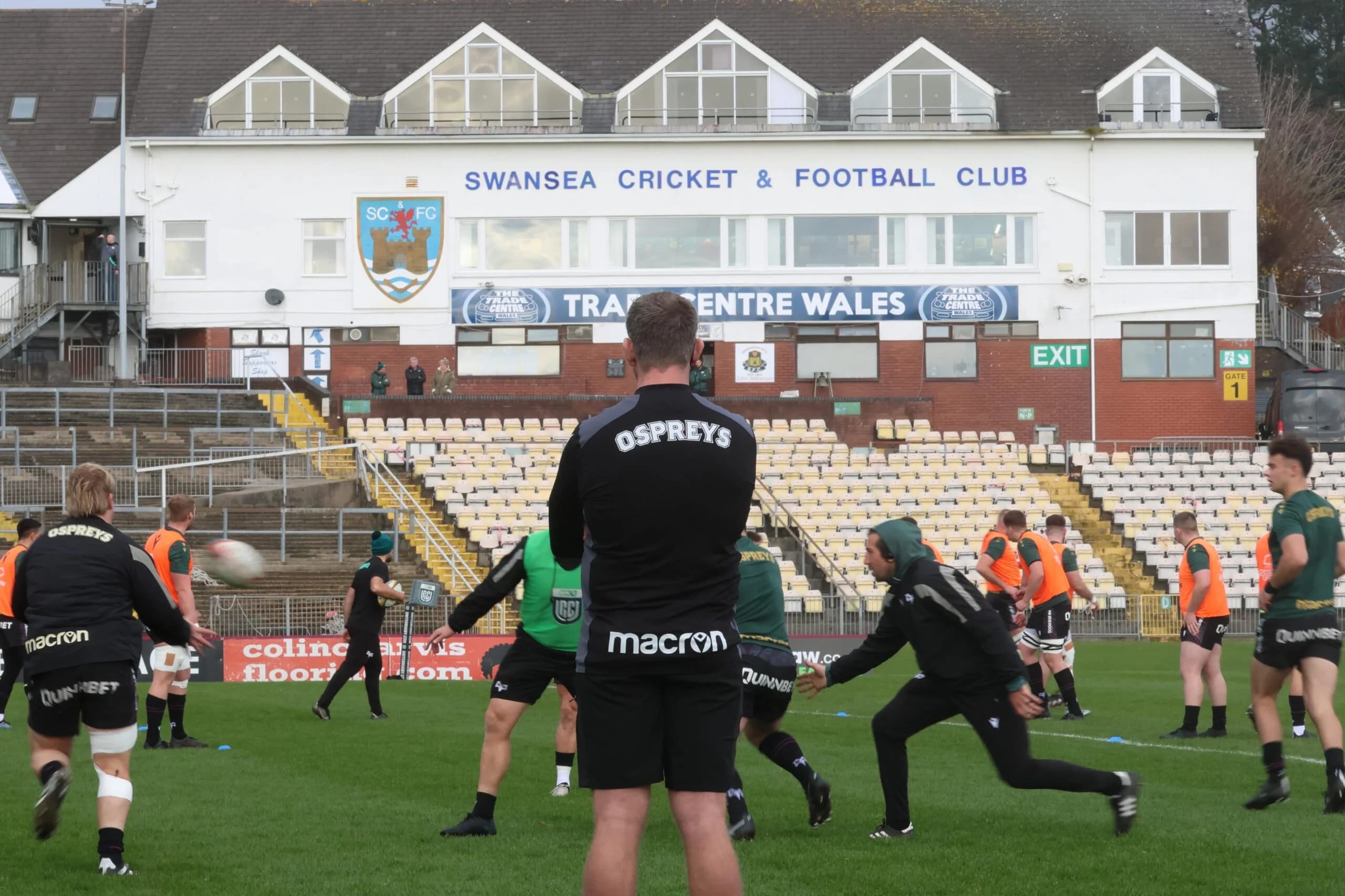
The Guinness Pro14 fixtures are out and with an August start date Robin Davey is already considering how the first weekend might shape up for the four regions after a long, hot summer. It’s been a blisteringly hot summer and the nation’s top rugby players have needed hosing down as they step up training for the new season which actually starts this month. The pre-season friendlies are about to get under way and pretty soon the heat will be turned on the regions and their leading players in what is the last season before the World Cup.
Graham Thomas | Aug 02, 2018
Welsh Rugby Fixture List Planning Leaves All The Loose Ends Still Untied
Most of Welsh rugby’s 2018-19 fixture list is out and dates in the diary have been ringed. What hasn’t happened, argues Geraint Powell, is any real attempt to fit the various tiers together so that it all makes sense. Nothing illustrates the disjointed nature of the regional tier of Welsh professional rugby more than the annual release of the Pro14 fixtures. Regional rugby is a complete package, always has been and always will be if you want to obtain most of the resource concentration synergies in relation to increased earning and more efficient expenditure. Tying everything together at the end is where the biggest benefits accrue.
Graham Thomas | Aug 02, 2018
Mulvihill Facing Tough Start To Life As Cardiff Blues Coach
There will be an explosive start to the Guinness PRO14 season when the reigning European Rugby Challenge Cup champions Cardiff Blues host the Champions Cup and PRO14 winners Leinster. The Friday night shoot-out at the Arms Park on 31 August will give new Blues coach John Mulvihill the toughest of starts, but with Leinster unlikely to have their leading Irish internationals available so early in the season it might be a slightly easier task than later in the campaign.
Ian Gordon | Jul 24, 2018
No Green, Green Grass Of Home For Wales’ Rugby Coaches
While the WRU are urging players to come home to Wales to maintain their international careers, the same policy is not being followed when it comes to coaches. Robin Davey, in his latest column for Dai Sport, questions why home-grown coaching talent is being frozen out. The Welsh Rugby Union and the Wales management are doing everything they can to encourage exiled players like George North to return to Wales, yet they appear to be scouring the earth for the next national coach.
Ian Gordon | Jun 21, 2018
Wales Under20’s Set For Wallabies Test
Wales have named the side to face Australia in their opening World Rugby U20 Championship game in Béziers on Wednesday. (8pm). Cai Evans (Ospreys) starts at fullback, with Rio Dyer (Dragons) and Ryan Conbeer (Scarlets) on the wings. An all-Scarlet midfield features Ioan Nicholas at 12 and Corey Baldwin at 13, alongside a Cardiff Blues combination of fly-half Ben Jones and scrum-half Dane Blacker.
Ian Gordon | May 29, 2018
Allen Clarke – We Let Down Ospreys Fans And We Need To Rebuild
Ospreys head coach Allen Clarke is planning a rebuilding job at the region after admitting that in failing to make the European Champions Cup they let down their fans. In a frank assessment of how far they have fallen, the Ulsterman – who suffered at the hands of his former province on Sunday – has spoken of “putting the pieces together” after a fractured and often fractious campaign. The Ospreys would have sneaked into Europe’s top tournament had they beaten Ulster at the Kingspan Stadium. Instead, they were stuffed, 35-17, and Clarke has recognised the limpness of their efforts over the last two years – which pre-dates his arrival – by talking about returning to the Champions Cup by the “front door” rather than the play-off tradesman’s entrance which proved beyond them in Belfast.
Graham Thomas | May 21, 2018
Ospreys Warned To Expect Early Ulster Onslaught As Europe Beckons
Brad Davies has warned his Ospreys players they must withstand an Ulster onslaught in their Guinness Pro 14 play-off for a European Champions spot. The region’s defence coach believes the Irish province will try and blow the Ospreys away in the early stages when they meet at the Kingspan Stadium on Sunday. The match will determine which team takes the final place in Europe’s premier tournament next season and Davies says it will be test of the Ospreys’ ability not so succumb under pressure.
Steffan Thomas | May 20, 2018
Scarlets’ Wayne Pivac v Glasgow’s Dave Rennie Is A Wales Coach Shoot-Out
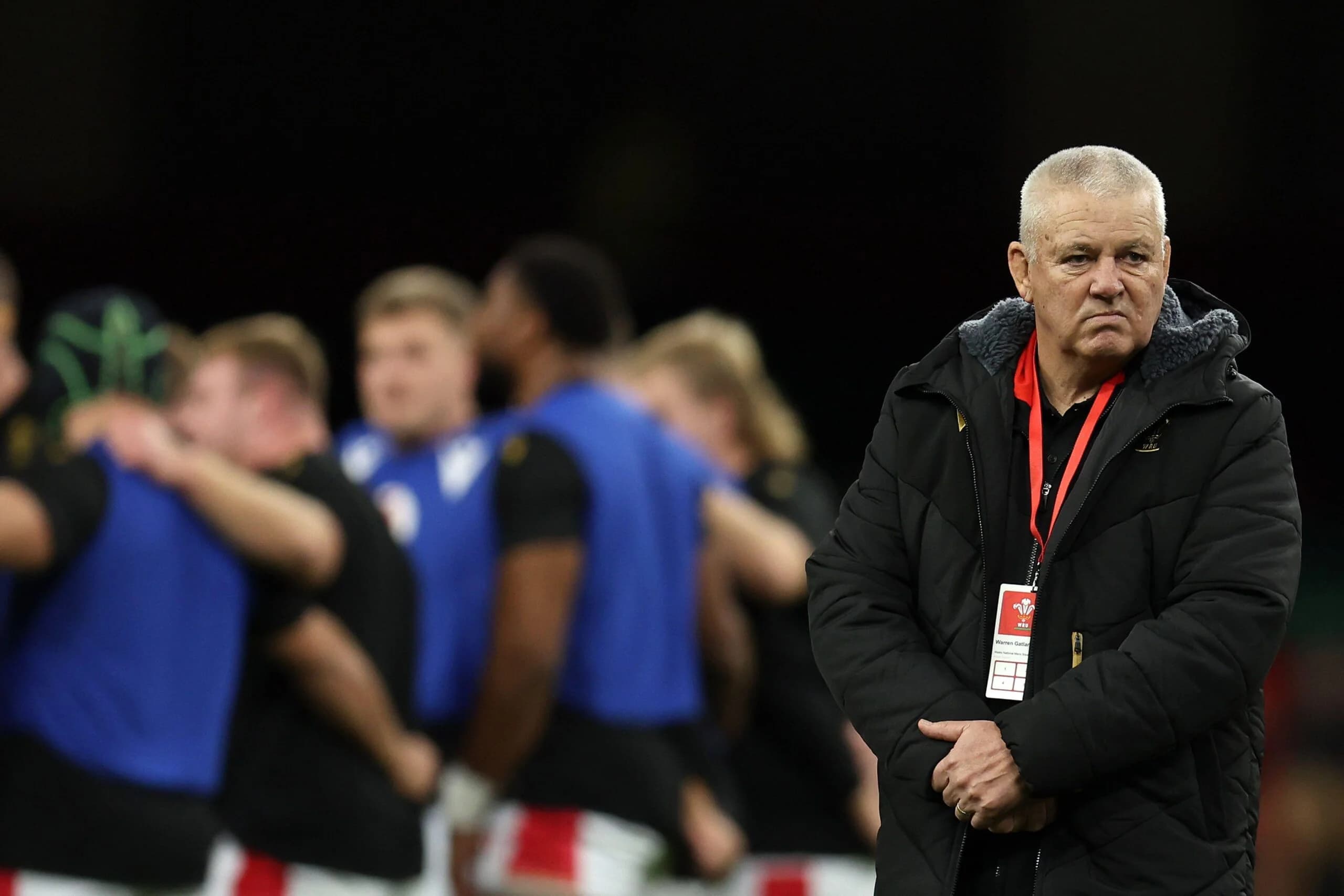
The Scarlets and the Ospreys have much to live up to after the Cardiff Blues’ display last weekend, says Robin Davey. But there are plenty of reasons for genuine optimism. It’s a big weekend for rugby in the west, with both the Scarlets and the Ospreys facing key qualification games. For the Scarlets, already buoyed by a hugely successful season which saw them reach the European Champions Cup semi-finals, it means a trip to Scotland to face Glasgow in a Guinness Pro 14 play-off on Friday night.
Graham Thomas | May 17, 2018